
 Save to Pinterest
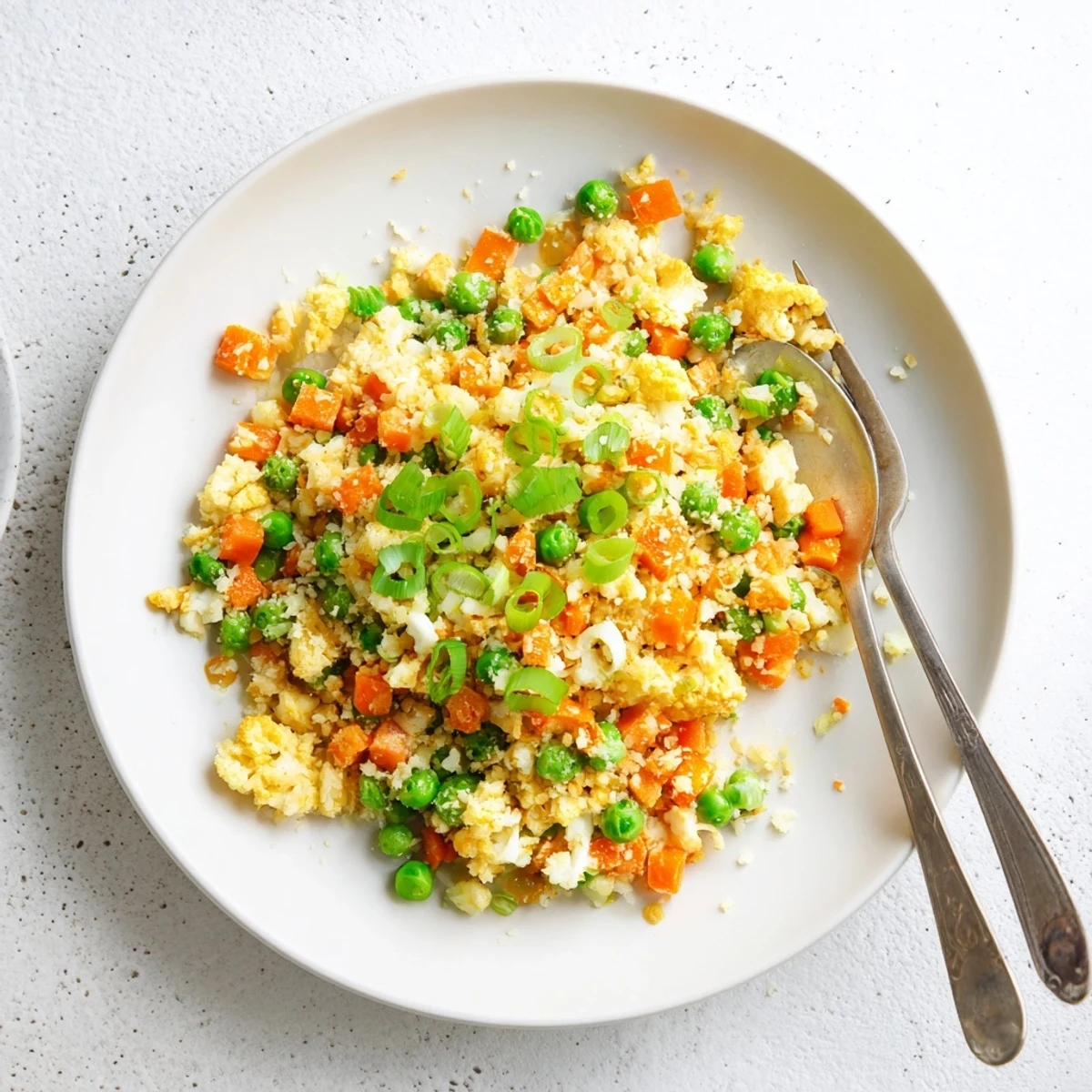
 This vibrant Asian-inspired cauliflower fried rice transforms fresh cauliflower into a light, satisfying main dish. Packed with colorful vegetables like carrots, peas, and spring onions, it offers the same savory experience as traditional fried rice while being naturally low carb and gluten-free.
The preparation comes together in just 25 minutes, making it perfect for busy weeknights. Each serving delivers a balanced combination of textures from tender vegetables and fluffy scrambled eggs, all coated in a aromatic blend of soy sauce, sesame oil, garlic, and ginger.
Customize with your favorite proteins like chicken, shrimp, or tofu, or adjust the spice level with sriracha. This versatile dish works beautifully as a standalone meal or as a side alongside your favorite Asian entrées.
The first time I served this at a dinner party, my friend who swore she hated cauliflower went back for thirds. She actually thought it was real rice until I told her the truth halfway through the meal. Now she asks for this recipe more often than I ask to borrow her stand mixer.
I started making this during busy weekdays when I wanted something satisfying but light. One evening after a particularly chaotic day at work, I stood over the wok breathing in the ginger and sesame aroma and felt my shoulders finally drop an inch. Now this is my go-to stress relief dinner.
Ingredients
- 1 medium head cauliflower: Fresh heads work best here as they produce the fluffiest rice texture when pulsed
- 1 medium carrot: Adds sweetness and color that makes every bite feel complete
- 1 cup frozen peas: These little green gems bring pops of sweetness throughout
- 4 spring onions: The white parts cook into the base while green tops add fresh crunch at the end
- 2 cloves garlic: Freshly minced releases more oils than pre-cut versions
- 1-inch piece fresh ginger: Grating it releases all those aromatic oils straight into the oil
- 2 large eggs: Room temperature eggs scramble more evenly and integrate better
- 2 tbsp soy sauce: Tamari works perfectly if you need this gluten-free
- 1 tbsp toasted sesame oil: This finishing oil makes the whole kitchen smell incredible
- ½ tsp freshly ground black pepper: Freshly cracked makes a noticeable difference
- ½ tsp salt: Adjust this based on how salty your soy sauce is
- 1 tbsp vegetable oil: A neutral high heat oil handles the wok temperature beautifully
Instructions
- Rice the cauliflower:
- Pulse the florets in short bursts until you see rice-sized pieces form. Over-pulsing turns everything into mush which nobody wants.
- Heat the wok:
- Get your oil shimmering over medium-high heat. You want to hear that satisfying sizzle when ingredients hit the pan.
- Build the aromatics:
- Sauté the white onion parts, garlic, and ginger for just one minute. Your kitchen should smell absolutely amazing right now.
- Soften the carrots:
- Let them cook for two minutes. They should still have a little snap when you bite into them later.
- Add the bulk:
- Stir in peas and cauliflower rice. Keep everything moving for three to four minutes until tender but still with some texture.
- Scramble the eggs:
- Push everything aside and crack eggs directly into the hot spot. Scramble them quickly until just set then fold them through.
- Season it right:
- Pour in the soy sauce, sesame oil, pepper, and salt. Toss everything together until each grain is coated.
- Finish and serve:
- Top with those reserved green onions and bring it to the table while its still steaming hot.
 Save to Pinterest
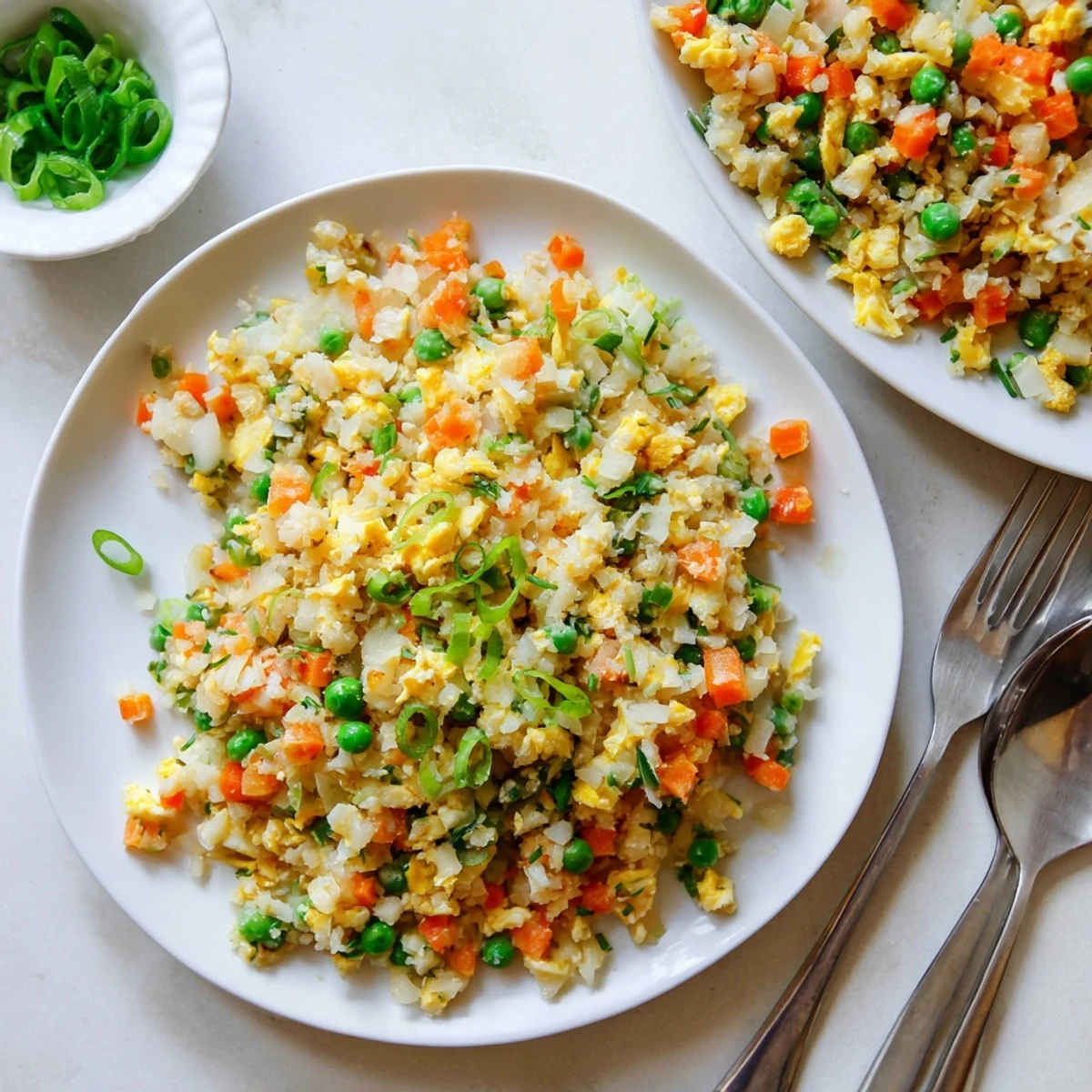
 This has become the recipe I make when friends say they are trying to eat healthier but still want something that feels indulgent. Watching someone realize cauliflower can taste this good is one of my favorite kitchen moments.
Making It Your Own
I have learned that almost any vegetable works in here as long as you cut it small enough. Bell peppers add sweetness while corn brings bursts of summer flavor even in the middle of February.
Protein Additions
Some weeks I will cook a chicken breast or shrimp on the side and slice it in at the end. Other times cubes of firm tofu get a quick sear before everything else goes into the wok.
Serving Ideas
This stands on its own beautifully but I also love it alongside a simple soup. Keep sriracha or chili flakes on the table for anyone who wants that extra heat kick.
- Coconut aminos substitute perfectly for soy-free needs
- Leftovers keep well for next day lunches
- The texture is actually better slightly warmed than piping hot
 Save to Pinterest
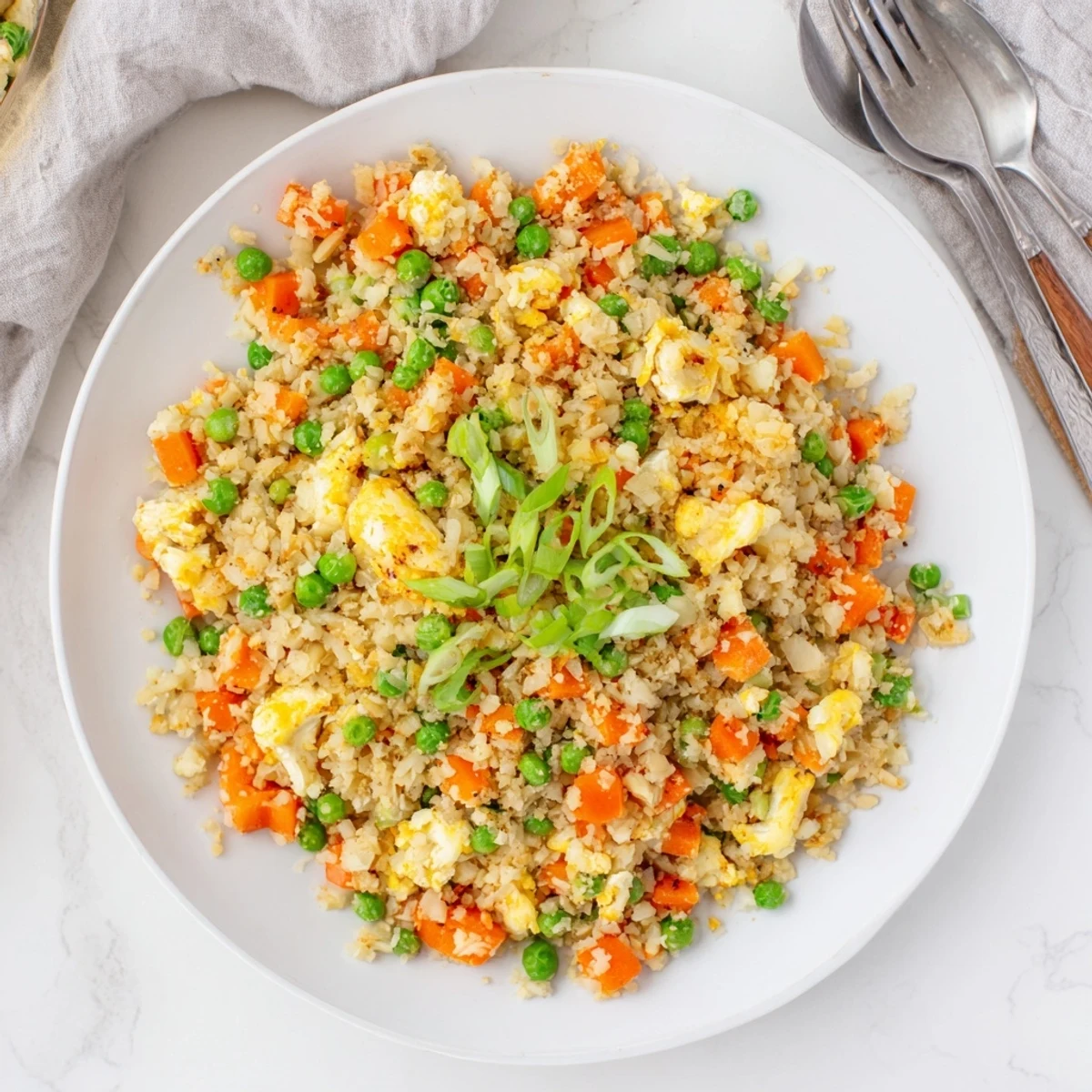
 Who knew that the vegetable I used to ignore at grocery store would become one of my most cooked recipes. Sometimes the best discoveries happen when we are looking for something else entirely.
Your Questions Answered
- → Is cauliflower fried rice actually good?
-
Yes, cauliflower fried rice offers excellent texture and flavor. When properly prepared, the cauliflower maintains a tender-crisp consistency that closely resembles traditional rice, while absorbing savory seasonings beautifully.
- → How do I rice cauliflower without a food processor?
-
Use a box grater with medium holes to grate cauliflower florets into rice-sized pieces. Alternatively, chop florets finely with a sharp knife, working in small batches for even texture.
- → Can I make this dish ahead of time?
-
Cauliflower fried rice stores well for 3-4 days in the refrigerator. Reheat gently in a skillet over medium heat, adding a splash of water if needed to prevent drying. Avoid freezing as texture may become mushy.
- → What makes a good substitute for soy sauce?
-
Tamari works perfectly as a gluten-free alternative with similar flavor. Coconut aminos provide a slightly sweeter, soy-free option. Adjust quantities to taste as substitutes may vary in saltiness.
- → How can I add more protein to this dish?
-
Stir in cooked shrimp, diced chicken, or cubed tofu during the final minutes of cooking. Crispy pork belly or sliced beef also complement the Asian flavors beautifully while keeping the dish low carb.
- → Why is my cauliflower rice mushy?
-
Overcooking causes mushiness. Sauté cauliflower rice just 3-4 minutes until tender but still firm. Avoid covering the pan while cooking, as trapped steam creates excess moisture.