
 Save to Pinterest
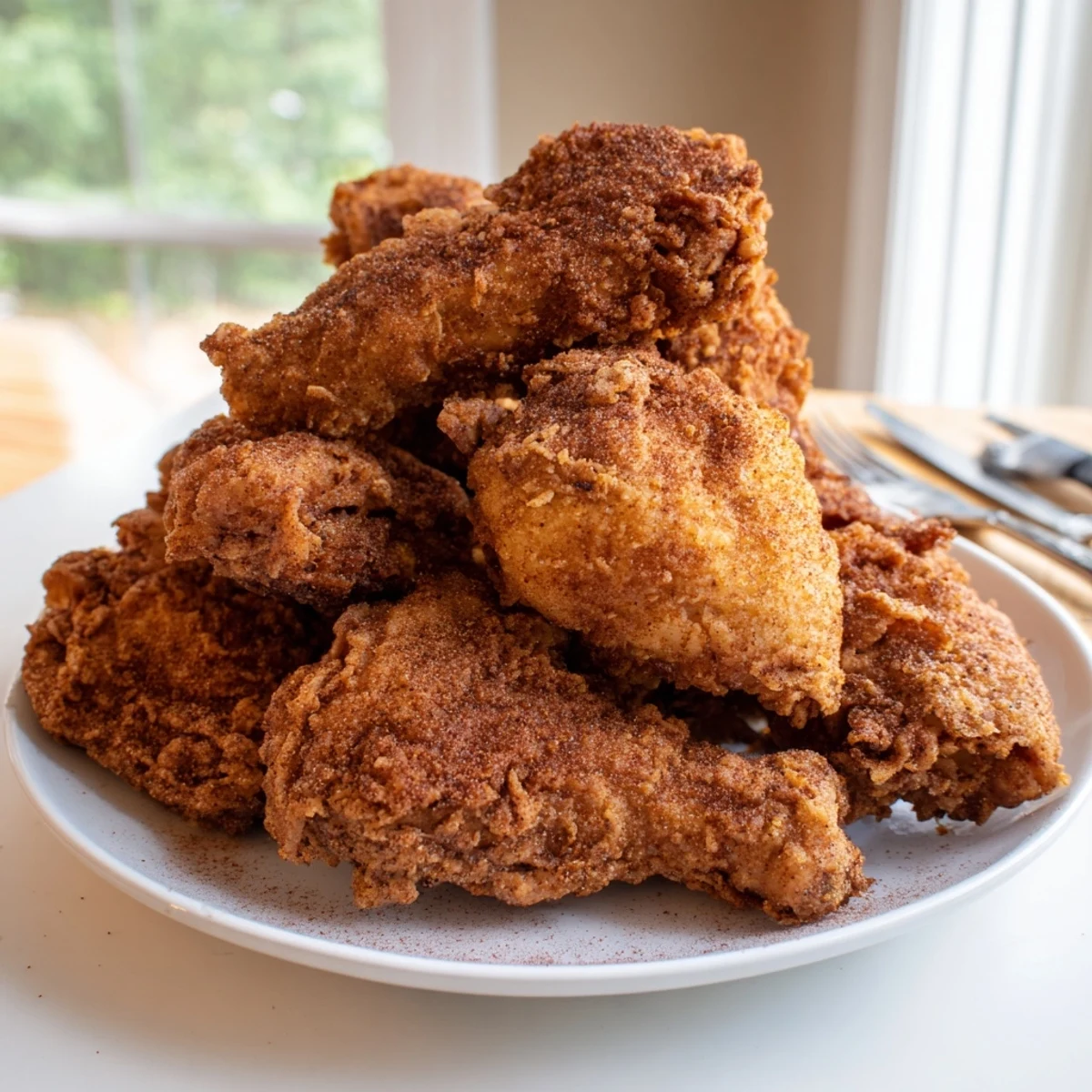
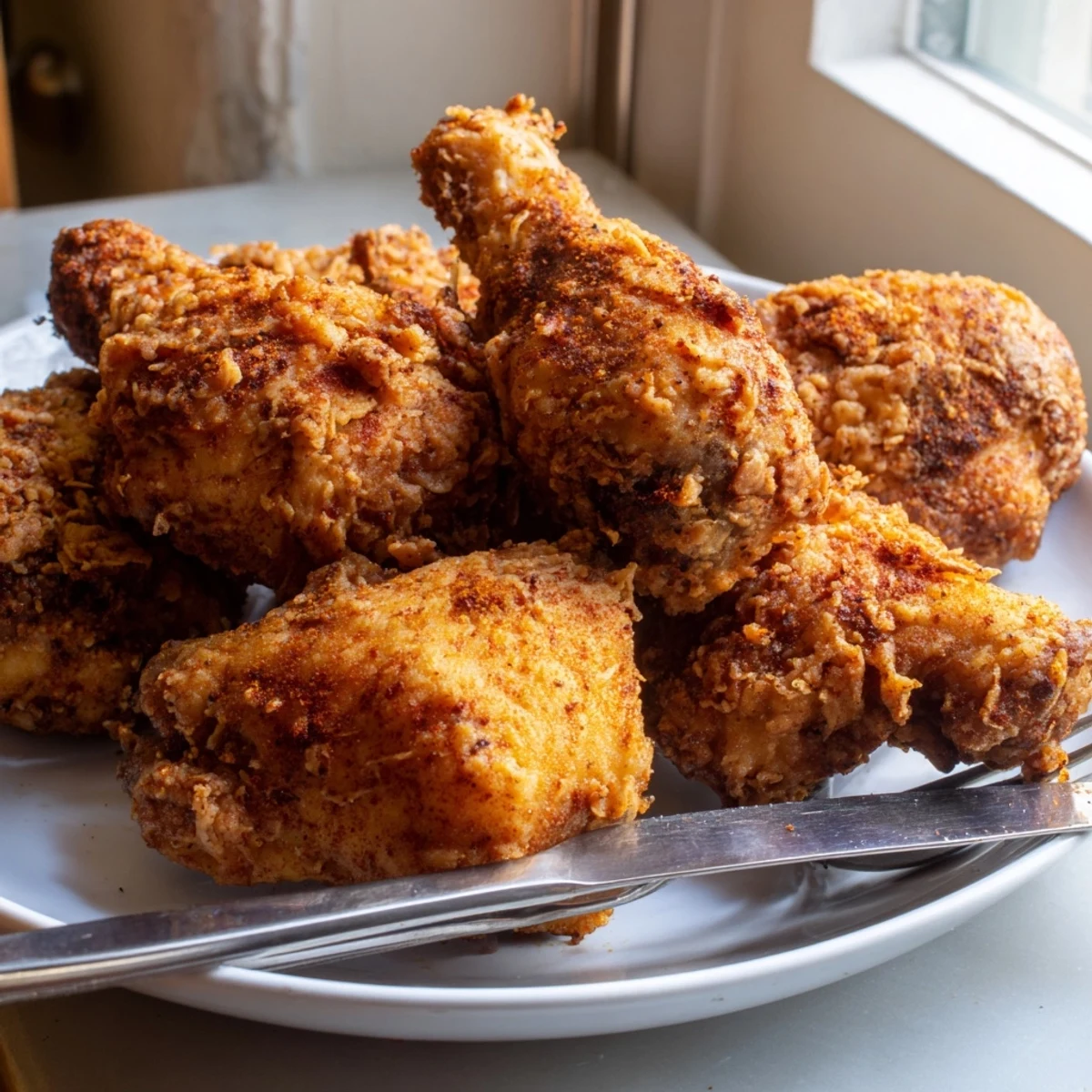
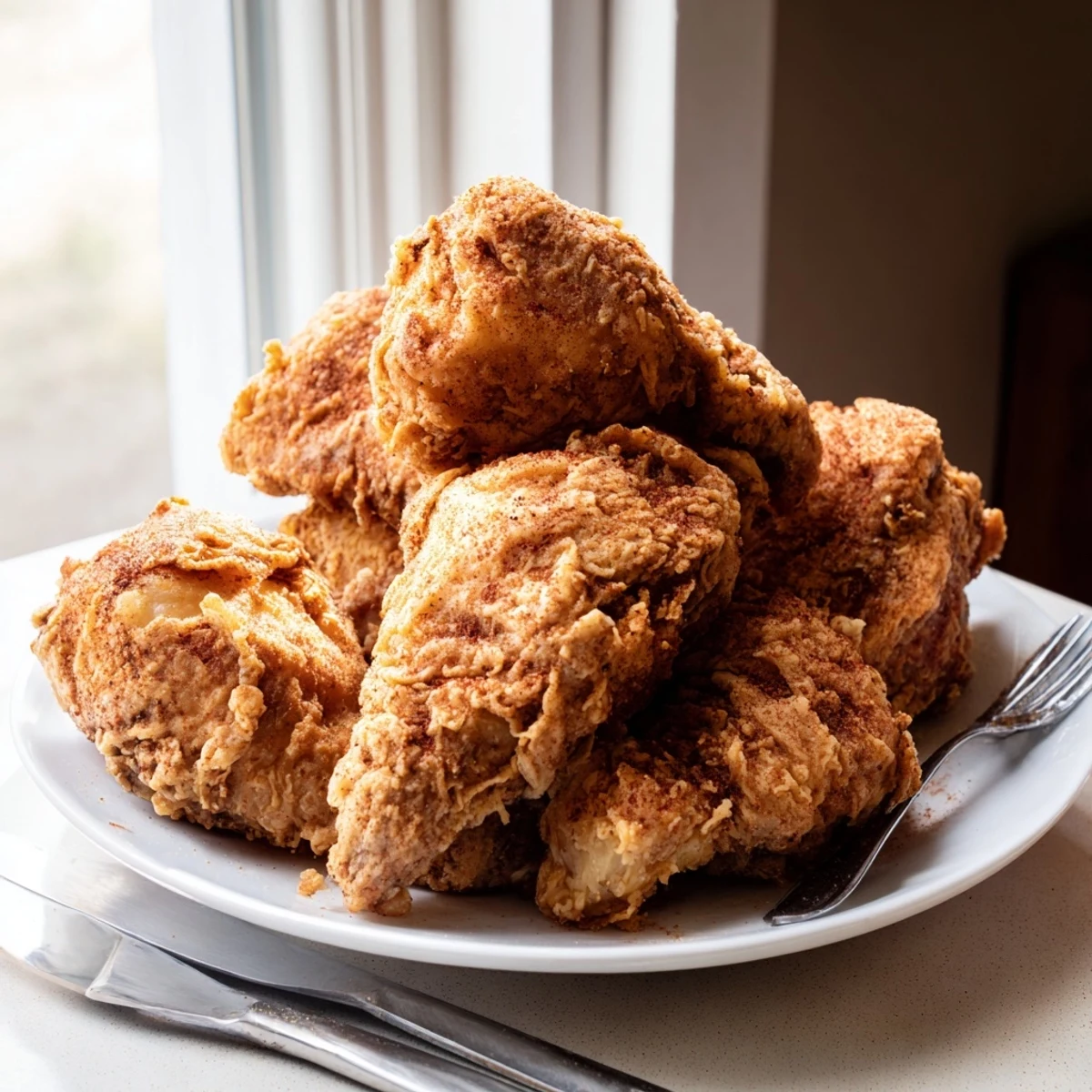
 This classic Southern preparation features whole chicken pieces soaked in tangy buttermilk for at least four hours, ensuring tender, juicy meat. The seasoned flour coating combines paprika, garlic and onion powders with a kick of cayenne for that signature savory crunch. Deep-fried at 350°F until golden brown, each piece achieves that irresistible crispy exterior while remaining moist inside. Perfect for Sunday dinners with traditional sides like mashed potatoes and coleslaw.
The smell of frying chicken still takes me back to my grandmother's kitchen, where she'd stand guard over her cast iron skillet like it held the family's most precious secrets. She never measured anything, just shook her hand over the bowl and said 'that's enough, baby.' It took me years of over-salted attempts to understand her perfect pinch was really years of muscle memory.
I made this for my husband's birthday one year, his first real Southern meal after growing up on bland chicken breast dinners. He took one bite and actually went silent, which for him is saying something. Now he requests it every special occasion, even in July when the last thing anyone wants is a hot kitchen.
Ingredients
- Whole chicken: Cutting it yourself saves money and you get those coveted backbone pieces that fry up extra crispy
- Buttermilk: The tang and enzymes here are non-negotiable for breaking down fibers and creating that shatteringly crisp coating
- Hot sauce: Even if you are not a spicy person, this subtle heat wakes up everything else
- All-purpose flour: Do not use bread flour or the coating gets too tough too quickly
- Paprika: Adds that beautiful golden-red color and a subtle sweetness
- Garlic and onion powder: Double up on these if you want people to beg for your recipe
- Cayenne pepper: Start with less if you are nervous, you can always add more to the flour
- Peanut oil: If you can swing it, this handles high heat better than anything else
Instructions
- Mix the marinade:
- Whisk buttermilk, hot sauce, salt, and pepper until combined. Submerge chicken pieces completely. Cover and refrigerate for at least 4 hours, though overnight will make you very happy with the results.
- Prepare your coating station:
- Combine flour with all your spices in a wide shallow dish. Use a fork to work out any lumps so the coating goes on evenly.
- Set up your drying rack:
- Place a wire rack over a baking sheet before you start dredging. This lets excess flour fall away and keeps the coating from getting soggy.
- Dredge like you mean it:
- Lift chicken from buttermilk, let it drip for a second, then press firmly into the flour mixture. Really work it into all the crevices and shake gently to remove excess.
- Heat the oil properly:
- Bring oil to 350°F and maintain that temperature. If it drops too low, you will have greasy chicken. Too high and the outside burns before the inside cooks.
- Fry in batches:
- Carefully lower pieces into the hot oil without crowding the pan. Cook 8-12 minutes per side until deep golden brown and internal temp hits 165°F.
- Rest before serving:
- Let chicken drain on a clean wire rack for at least 5 minutes. This crucial step lets the crust set and juices redistribute.
 Save to Pinterest
 This recipe became my go-to for new neighbors and heartbroken friends alike. Something about a plate of homemade fried chicken says you matter enough for me to stand over a hot stove for hours.
Mastering The Crust
The secret to that extra-crunchy coating is letting the dredged chicken sit for about 10 minutes before frying. This gives the flour time to hydrate from the buttermilk residue, creating a shell that adheres better and fries up crunchier.
Oil Management
Keep a clean slotted spoon or spider strainer nearby to remove any loose bits of flour that break off during frying. These little particles burn quickly and make your oil taste off for subsequent batches.
Serving And Storage
This chicken is actually best eaten slightly warm rather than piping hot, which lets the flavors really come through. Leftovers, if you somehow have them, reheat beautifully in a 375°F oven for about 15 minutes.
- Avoid microwaving unless you enjoy sad, soggy chicken
- The crust stays surprisingly crisp in the refrigerator overnight
- This recipe freezes well before frying if you want to prep ahead
 Save to Pinterest
 There is something profoundly satisfying about making fried chicken at home, like you have tapped into a universal language of comfort and care that transcends time and place.
Your Questions Answered
- → How long should chicken marinate in buttermilk?
-
Marinate the chicken pieces in buttermilk for at least 4 hours, though overnight marinating yields the most tender and flavorful results.
- → What oil temperature is best for frying?
-
Heat your oil to 350°F (175°C) for optimal frying. This temperature ensures the coating crisps quickly while the chicken cooks through without burning.
- → How can I make the coating extra crispy?
-
Double-dip by coating the chicken in flour, dipping briefly in buttermilk again, then coating with flour a second time. This creates a thicker, crunchier layer.
- → What internal temperature should cooked chicken reach?
-
Use a meat thermometer to ensure the chicken reaches 165°F (74°C) in the thickest part. This guarantees safe, fully-cooked meat.
- → What sides pair well with this dish?
-
Classic Southern accompaniments include creamy coleslaw, buttery mashed potatoes with gravy, flaky biscuits, macaroni and cheese, or collard greens.
- → Can I adjust the spice level?
-
Absolutely. Reduce or omit the cayenne pepper and hot sauce for milder flavor, or increase both for extra heat. Adjust to your preference.