
 Save to Pinterest
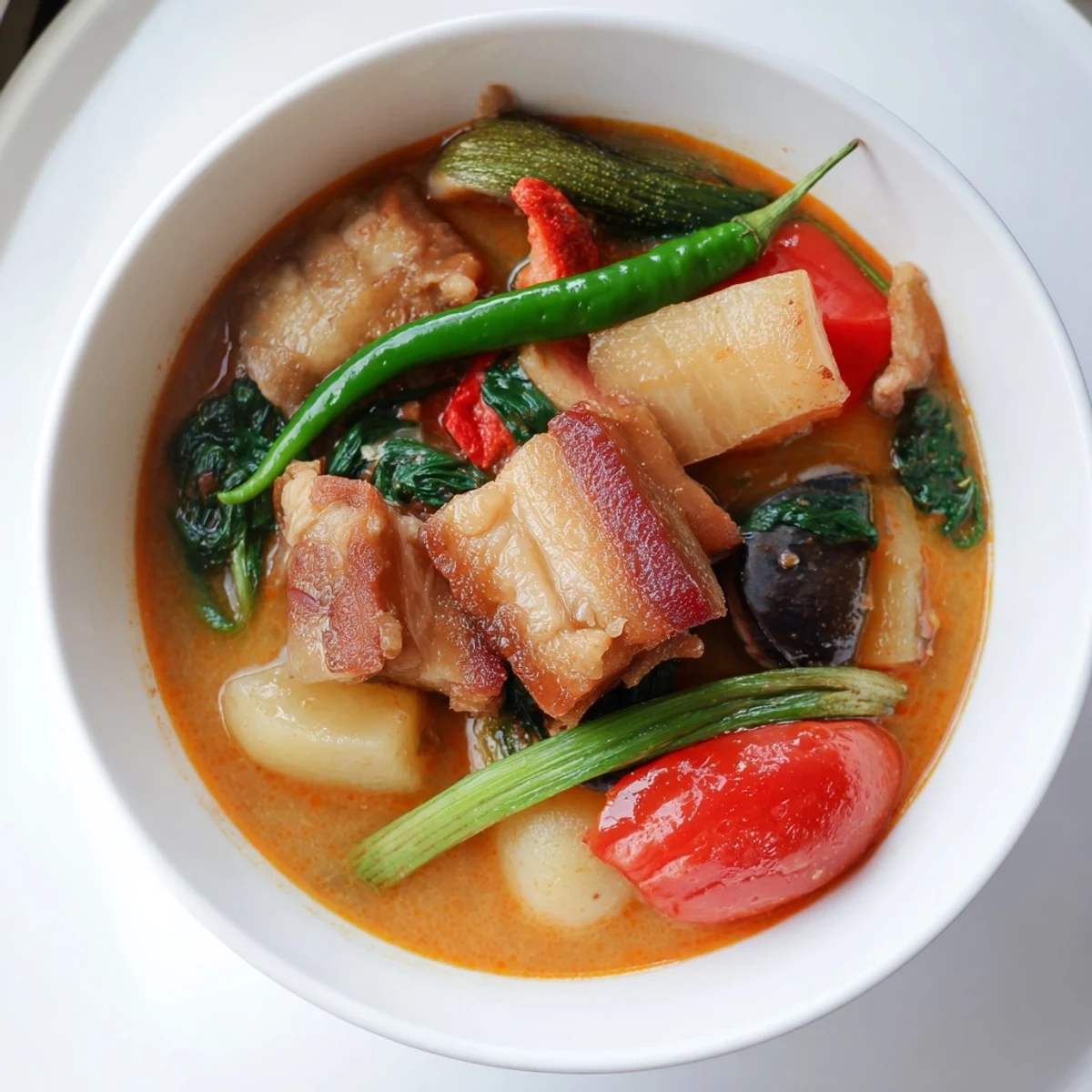
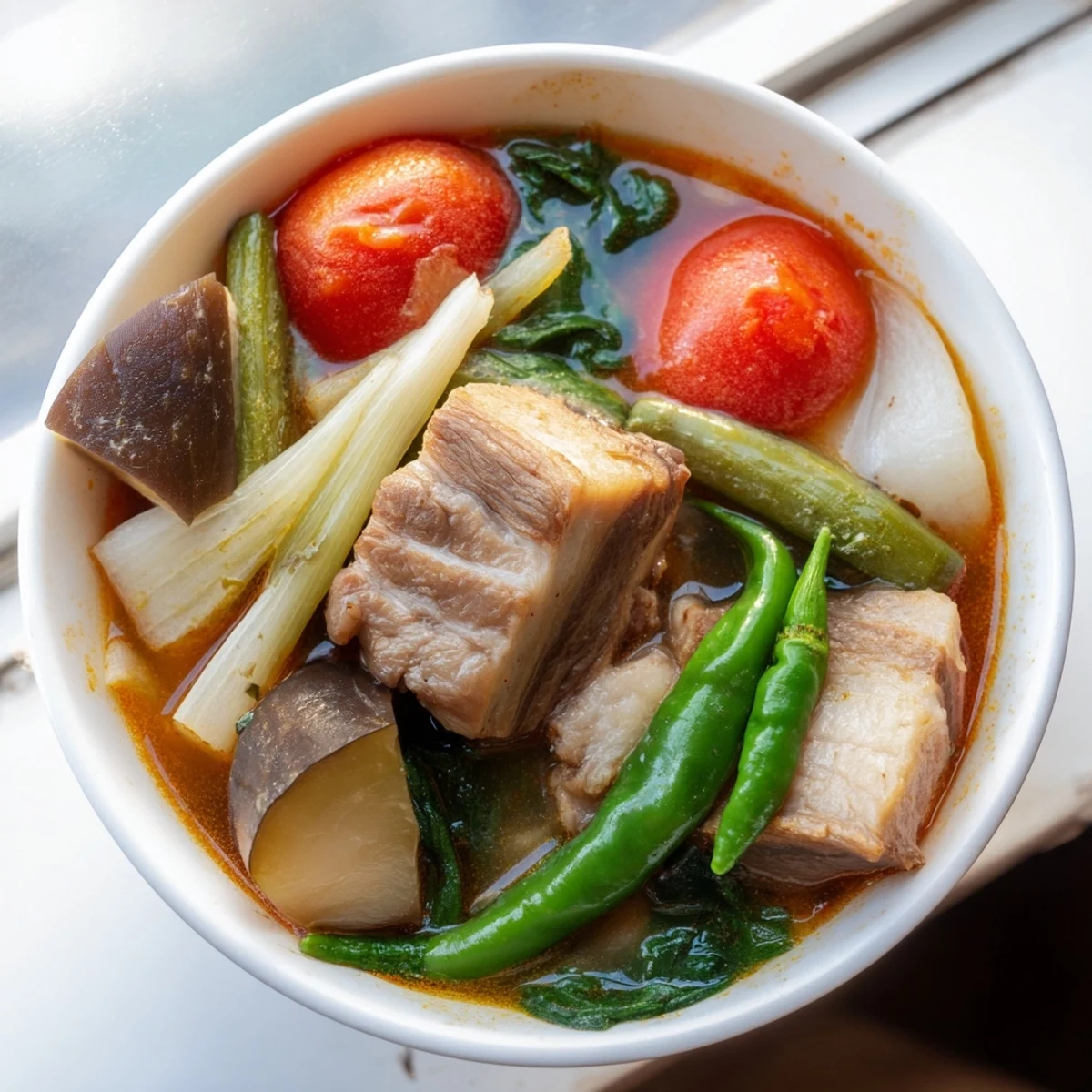
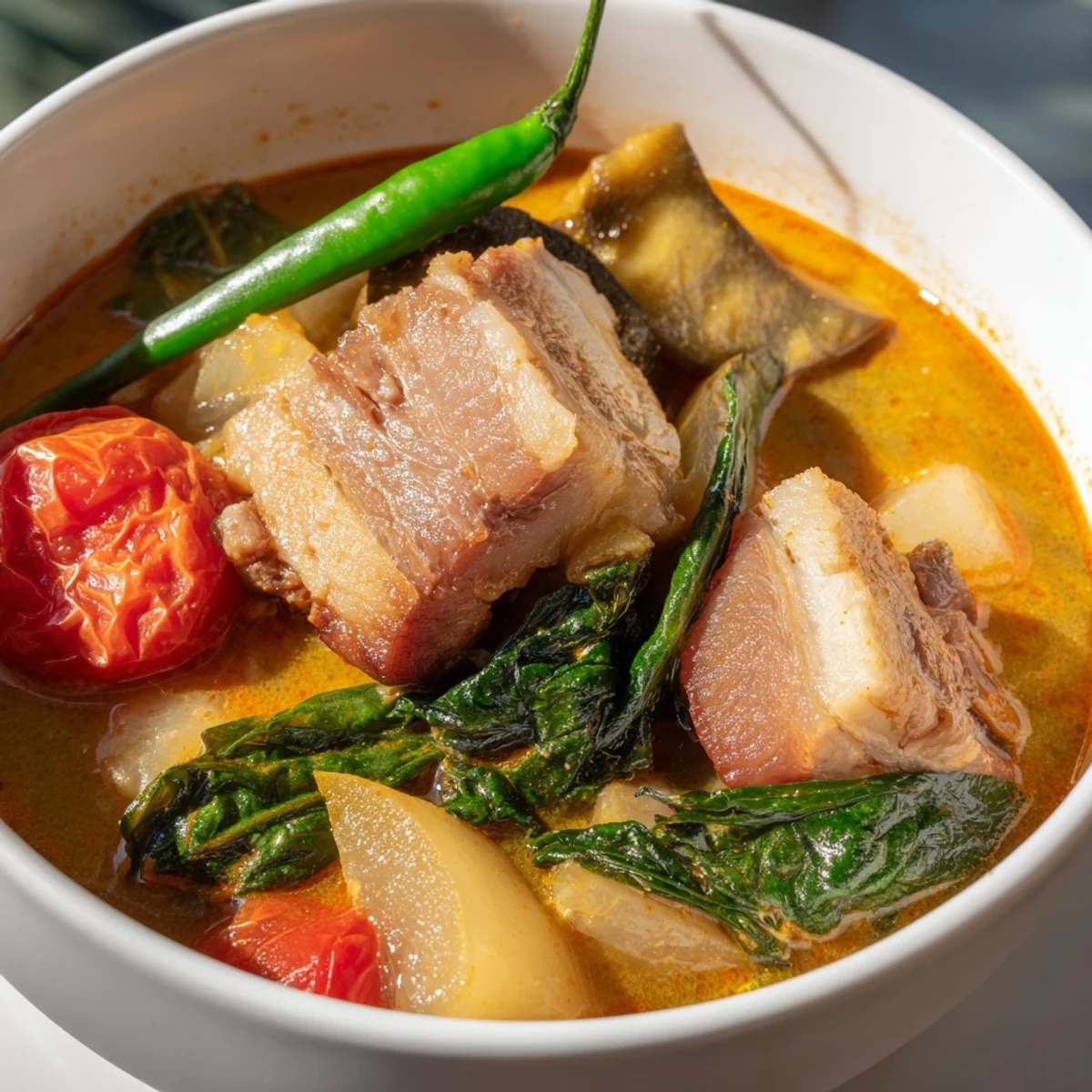
 This beloved Filipino comfort dish features a rich, tangy broth crafted from tamarind that perfectly balances savory and sour notes. The soup brings together tender chunks of pork belly or ribs with an array of fresh vegetables including tomatoes, daikon radish, eggplant, string beans, and leafy greens. The result is a warming, nourishing bowl that's traditionally enjoyed with steamed white rice.
The preparation involves building layers of flavor by simmering the protein first, then adding vegetables in stages to ensure each maintains its ideal texture. The signature sourness comes from either convenient tamarind soup base or fresh tamarind pulp, which gives the dish its distinctive character. Customizable with different proteins like shrimp, beef, or fish, this versatile dish adapts easily to preferences while maintaining its soul-warming essence.
The rain was hitting our roof in Manila that afternoon, the kind of steady downpour that makes you crave something hot and sour. My grandmother had already set her largest pot on the stove, the one she'd used for family gatherings for thirty years. She dropped the pork chunks into boiling water with that practiced flick of her wrist, humming something I couldn't quite catch. The sharp tang of tamarind hit my nose before I even stepped into the kitchen.
Last Christmas, my aunt made three batches because everyone kept asking for seconds. The kids who claimed they hated vegetables were fighting over the last pieces of radish and spinach. Something about that balance of sour and savory makes people forget they're eating something good for them.
Ingredients
- 1 kg pork belly or pork ribs: The fat keeps everything rich while the meat becomes meltingly tender after its long simmer
- 2 medium tomatoes: They break down completely and add a subtle sweetness that balances the sharp tamarind
- 1 large onion: Quartered so it holds shape but releases all its aromatic sweetness into the broth
- 1 daikon radish: Absorbs the sour broth like a sponge and becomes everyone's favorite vegetable
- 10 string beans: Add them late so they keep their satisfying snap in every spoonful
- 1 eggplant: Sliced thick enough not to dissolve completely but thin enough to soak up flavor
- 2 cups spinach or kangkong: The fresh green finish that brightens both the bowl and the taste
- 1 packet tamarind soup base mix: The backbone that gives Sinigang its signature sour punch
- 2 tbsp fish sauce: Adds that essential savory depth that salt alone cannot provide
- 6 cups water: Start with this and add more if you like your soup on the lighter side
Instructions
- Get the broth going:
- Bring your water to a rolling boil in a large pot and carefully drop in the pork chunks. Skim off any gray foam that rises to the top. This keeps your final broth clear and clean tasting.
- Build the foundation:
- Add your quartered tomatoes and onion to the pot. Let everything simmer together for about 20 minutes. The pork should start feeling tender when you press it with your spoon.
- Add the harder vegetables:
- Drop in the daikon radish slices and cook for 10 more minutes. They need this time to soften and start soaking up all the flavors developing in your pot.
- Bring in the rest:
- Add the eggplant, string beans, and those green chili peppers if you want a gentle warmth. Let them simmer for just 5 minutes. Watch the eggplant carefully so it doesn't fall apart completely.
- Create the soul of the soup:
- Stir in your tamarind soup base until it dissolves completely. If using fresh tamarind pulp, mash it in a little water first and strain the liquid into your pot.
- Make it sing:
- Season with fish sauce, salt, and pepper. Taste your broth and adjust. The balance should hit sour first, then savory, with a gentle warmth at the finish.
- The final touch:
- Toss in your spinach or kangkong leaves and simmer for just 2 to 3 minutes. They should be wilted but still vibrant green, not sad and limp.
 Save to Pinterest
 My cousin once drank three bowls straight from the pot while everyone else was still getting their plates. That sour broth somehow calls to something primal in us, the same way a perfect bowl of tomato soup or chicken noodle does.
Making It Your Own
Shrimp turns this into something elegant and light but add them only in the last ten minutes. Fish works beautifully too but choose firmer varieties that won't flake apart completely.
The Rice Question
Filipinos will tell you Sinigang isn't complete without steamed white rice on the side. The mild, slightly sticky rice balances each mouthful of that boldly sour broth perfectly.
Serving It Right
Set the pot on the table family style with a large spoon. Everyone should serve themselves while it's piping hot.
- Small saucers of additional fish sauce let people adjust their own bowls
- A plate of extra chilies on the side keeps everyone happy
- Cold beer or iced tea provides the perfect refreshing counterpoint
 Save to Pinterest
 Somehow this soup tastes even better when someone you love is sitting across from you, their own bowl steaming between their hands.
Your Questions Answered
- → What makes sinigang taste sour?
-
The signature tangy flavor comes from tamarind, either using fresh pulp boiled and strained into the broth or a convenient soup base mix powder. The sourness perfectly balances the savory pork and vegetables.
- → Can I make sinigang with other proteins?
-
Absolutely. While pork belly or ribs are traditional, sinigang works beautifully with shrimp, fish, beef, or even chicken. Seafood versions cook faster so add them during the last 10 minutes to prevent overcooking.
- → What vegetables go best in sinigang?
-
Classic additions include daikon radish, eggplant, string beans, tomatoes, onions, and leafy greens like spinach or water spinach (kangkong). You can also add okra, taro, or other vegetables based on preference and availability.
- → How do I adjust the sourness level?
-
Start with less tamarind base or pulp, then taste and gradually add more until you reach your desired tanginess. You can also balance the flavors with additional salt or fish sauce if needed.
- → What should I serve with sinigang?
-
Steamed white rice is the traditional accompaniment, helping to balance the tangy broth. A chilled glass of Sauvignon Blanc pairs surprisingly well with the sour and savory notes.