
 Save to Pinterest
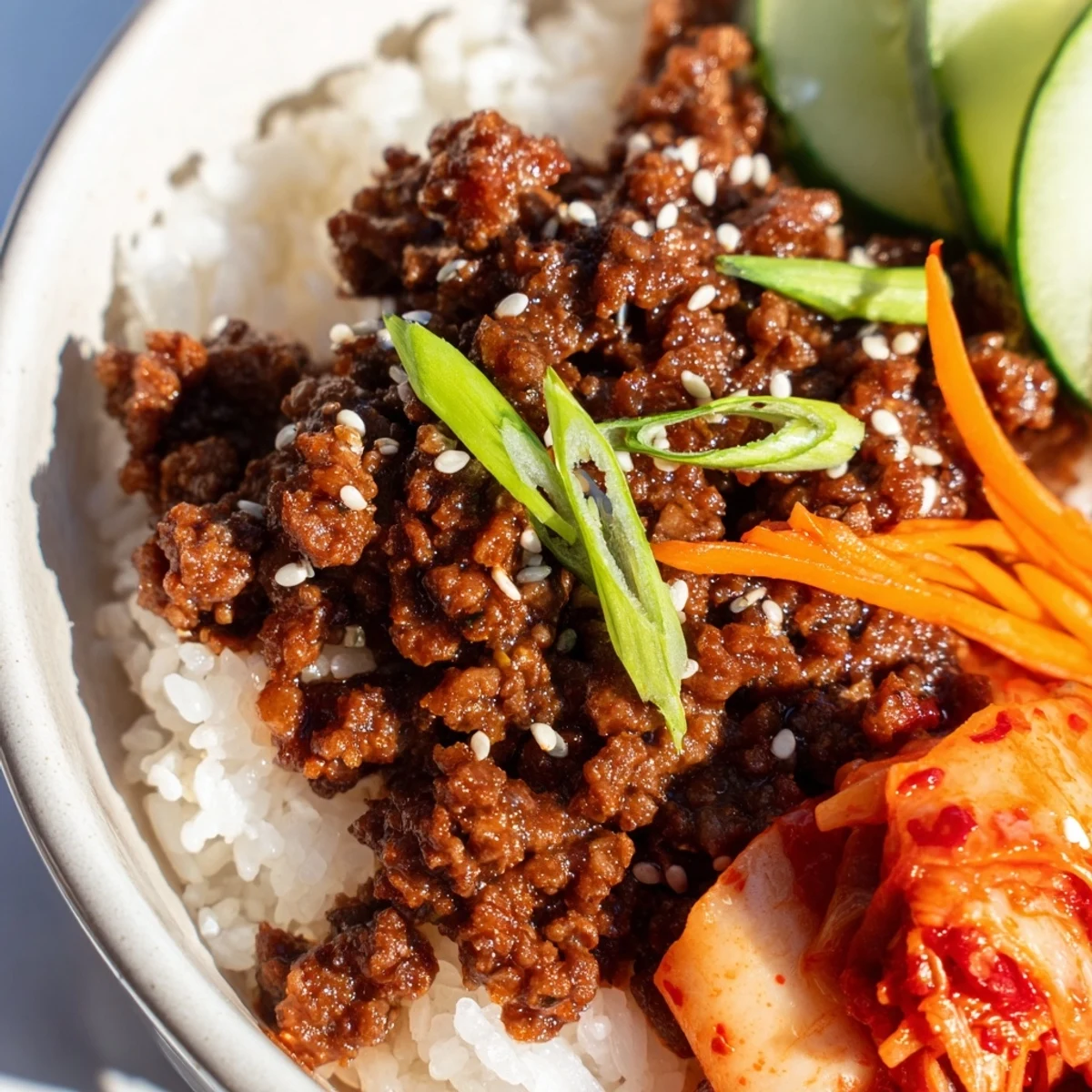
 This Korean-inspired ground beef bowl comes together in just 25 minutes, making it perfect for busy weeknights. Lean ground beef is browned and simmered in a rich sauce made with soy sauce, brown sugar, sesame oil, garlic, ginger, and a kick of gochujang.
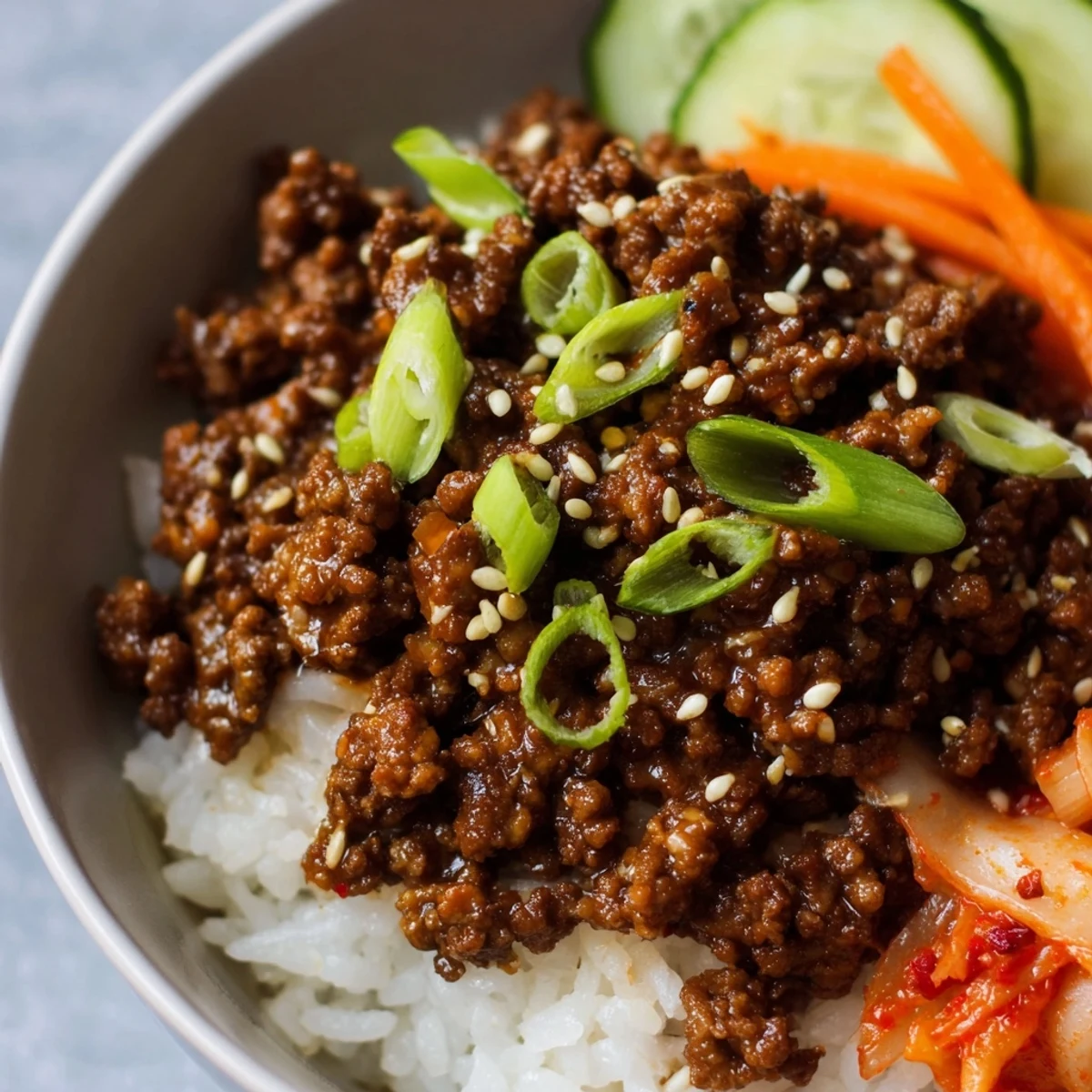
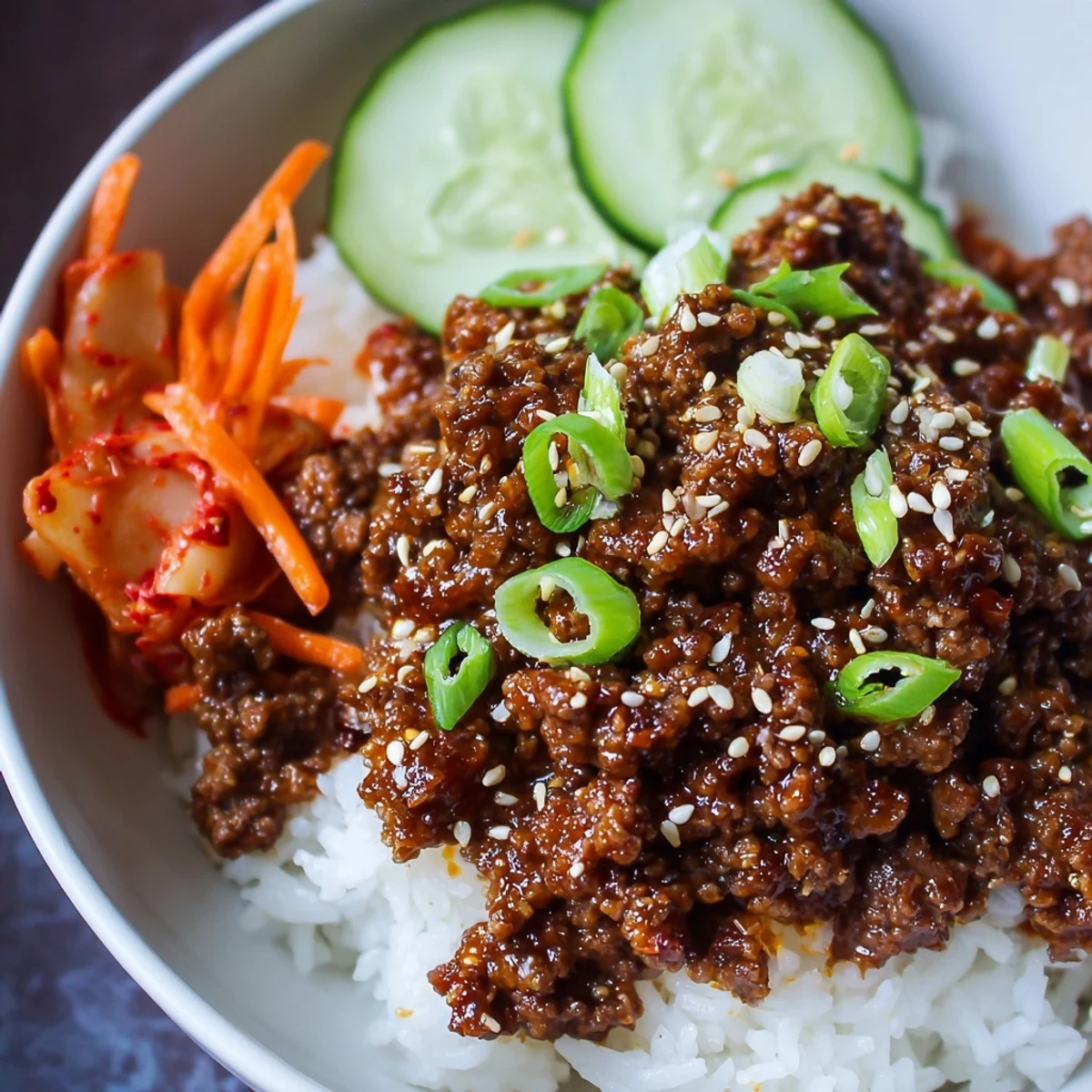
Served over steamed jasmine rice and topped with green onions, sesame seeds, julienned carrot, cucumber, and optional kimchi, each bowl delivers a satisfying balance of savory, sweet, and spicy flavors.
Easily customizable with ground chicken or turkey, gluten-free tamari, or a fried egg on top for extra richness.
The sizzle of ground beef hitting a hot skillet at eleven oclock on a Tuesday night became my personal anthem during grad school, when this Korean ground beef bowl rescued me from yet another sad frozen dinner. Something about the way soy sauce and brown sugar caramelized together made the whole apartment smell like I actually knew what I was doing. My roommate would drift out of her room every single time, spoon already in hand, pretending she was just getting water. We both knew she was waiting for a bowl.
I started making extra sauce on purpose after the night my friend David doubled the rice just to soak up every last drop from his bowl, then asked if I could make it again three days later for his birthday dinner instead of going out.
Ingredients
- 1 lb lean ground beef: Lean works best here because the sauce provides all the richness you need, and you wont have to drain as much fat.
- 2 cups cooked jasmine or short grain rice: Short grain rice gives you that satisfying chewy clump factor, but jasmine works beautifully if thats what your pantry offers.
- 1/4 cup low sodium soy sauce: Low sodium lets you control the salt level without losing that deep umami backbone.
- 2 tbsp brown sugar: This is what creates the gorgeous sticky glaze that coats every crumb of beef.
- 1 tbsp sesame oil: Toasted sesame oil is the soul of this dish, so never skip it and never substitute with plain oil.
- 3 cloves garlic, minced: Fresh garlic only, the jarred stuff tastes flat and this dish deserves better.
- 1 tbsp grated fresh ginger: Freeze your ginger beforehand and it grates into a fine paste with zero effort.
- 1/2 to 1 tsp crushed red pepper flakes: Start with half a teaspoon if you are spice shy, you can always add more at the end.
- 2 tsp rice vinegar: Just enough acidity to brighten the whole bowl and cut through the sweetness.
- 1 tbsp gochujang (optional): This Korean chili paste adds depth and a fermented warmth that takes the flavor from good to where has this been all my life.
- 2 green onions, sliced: Slice them on a sharp diagonal so they look as good as they taste.
- 1 tbsp toasted sesame seeds: Toast them in a dry pan for two minutes and your kitchen will smell incredible.
- 1 carrot, julienned: Adds crunch and a pop of color that makes the bowl look restaurant worthy.
- 1 small cucumber, thinly sliced: Cool cucumber against the warm spicy beef is the contrast you did not know you needed.
- Kimchi (optional, for serving): If you have kimchi in your fridge, add it, because the fermented tang pairs perfectly with the sweet beef.
Instructions
- Whisk the sauce together:
- In a small bowl, combine the soy sauce, brown sugar, sesame oil, garlic, ginger, red pepper flakes, rice vinegar, and gochujang if you are using it. Whisk until the sugar dissolves and the whole thing smells like a Korean street market.
- Brown the beef:
- Heat a large skillet over medium high and add the ground beef, breaking it apart with a spatula as it cooks. Let it sit undisturbed for a minute here and there so you get those crispy caramelized bits that make every bite exciting.
- Glaze the beef with sauce:
- Pour the sauce over the browned beef and stir well to coat every piece. Let it bubble for two to three minutes until the sauce thickens and clings to the meat like a glossy jacket.
- Build your bowls:
- Divide the warm rice among four bowls and ladle the saucy beef over the top. Watch the sauce seep down into the rice because that is the best part.
- Finish with toppings:
- Scatter green onions, sesame seeds, julienned carrot, sliced cucumber, and kimchi over each bowl. Serve immediately while the beef is still sizzling and the rice is steamy.
 Save to Pinterest
 The night my sister visited from out of town and I made this, she sat cross legged on my kitchen floor eating straight from the skillet because she said plating felt like a delay tactic.
Rice Matters More Than You Think
I spent a year using day old refrigerated rice for this bowl thinking it did not matter, then one night I used freshly steamed rice and the entire dish transformed. Fresh rice absorbs the sauce differently, creating these soft saucy pockets that cold rice never achieves. If you have a rice cooker, set it before you start prepping the sauce and everything finishes at the same time. Short grain rice is my preference for the slight chewiness, but jasmine rice lets the sauce shine in a lighter way.
Spice Is a Personal Journey
The first time I made this for my parents I used the full teaspoon of red pepper flakes plus a generous spoon of gochujang, and my father spent dinner alternating between tears of joy and reaching for more water. Now I start conservative and set extra gochujang and chili flakes on the table so everyone can dial their own heat. The half teaspoon mark gives you a gentle warmth that builds, while the full teaspoon lets you feel alive in a way that demands a cold drink nearby.
Making It Your Own
This bowl is really a template once you understand the sauce ratio, and I have thrown in everything from steamed broccoli to leftover roasted sweet potatoes depending on what needs using up. A fried egg on top turned this into a weekend brunch dish once when I was too lazy to make anything separate for breakfast.
- Try a squeeze of lime juice over the finished bowl for a bright twist that works surprisingly well.
- Swap the beef for sauteed mushrooms and firm tofu and you have a vegetarian version that satisfies just as deeply.
- Always taste the sauce before pouring it over the beef so you can adjust sweetness or spice to your liking.
 Save to Pinterest
 Some recipes become staples because they fit into the chaos of real life, and this bowl earned its spot the night I made it in between helping with homework and folding laundry. It asks almost nothing of you and gives back a dinner that feels like you tried way harder than you did.
Your Questions Answered
- → Can I use a different type of meat instead of ground beef?
-
Yes, ground chicken or turkey work well as lighter alternatives. You can also use ground pork for a richer flavor. Keep the cooking time similar, ensuring the meat is fully cooked through before adding the sauce.
- → How spicy is this Korean beef bowl?
-
The heat level is fully adjustable. The red pepper flakes and gochujang control the spice. Start with 1/2 teaspoon of red pepper flakes and skip the gochujang for mild heat, or increase both for a spicier kick.
- → Can I make this dish gluten-free?
-
Absolutely. Simply replace the regular soy sauce with tamari, which is a gluten-free alternative. Double-check that your gochujang brand is also certified gluten-free, as some contain wheat.
- → What is the best rice to serve with Korean ground beef?
-
Short-grain white rice or jasmine rice are the best options. Short-grain rice offers a stickier texture that pairs authentically with Korean flavors, while jasmine rice provides a light, fluffy base.
- → How should I store leftovers?
-
Store the beef mixture and rice separately in airtight containers in the refrigerator for up to 3 days. Reheat the beef in a skillet or microwave, adding a splash of water to loosen the sauce. Store fresh toppings separately to maintain crispness.
- → What does gochujang add to the dish?
-
Gochujang is a Korean fermented chili paste that adds depth, umami, and a complex sweet-spicy flavor. It is optional in this dish but highly recommended for an authentic Korean taste profile.