
 Save to Pinterest
 Créez facilement votre propre lait de coco maison avec seulement deux ingrédients simples. La noix de coco râpée mixée à l'eau chaude libère tous ses arômes pour une texture crémeuse et riche en saveurs. Cette préparation polyvalente se conserve 4 jours au réfrigérateur et sublime aussi bien vos cafés du matin que vos currys relevés ou vos desserts gourmands. Un élément essentiel à avoir toujours sous la main pour une cuisine exotique authentique.
Last summer, I stood in my kitchen with a bag of shredded coconut and a growing curiosity about making my own plant milk. The smell alone was already filling the room with tropical notes, and I wondered why I had been buying carton coconut milk for years when this seemed so simple. That afternoon experiment changed everything about how I stock my pantry staples.
I remember serving this to a skeptical friend who swore by canned coconut milk for her Thai curries. One taste of the homemade version and she immediately asked for the recipe, saying it had a vibrancy she had never experienced before. Now we both make batches every Sunday, treating it like a kitchen ritual rather than a chore.
Ingredients
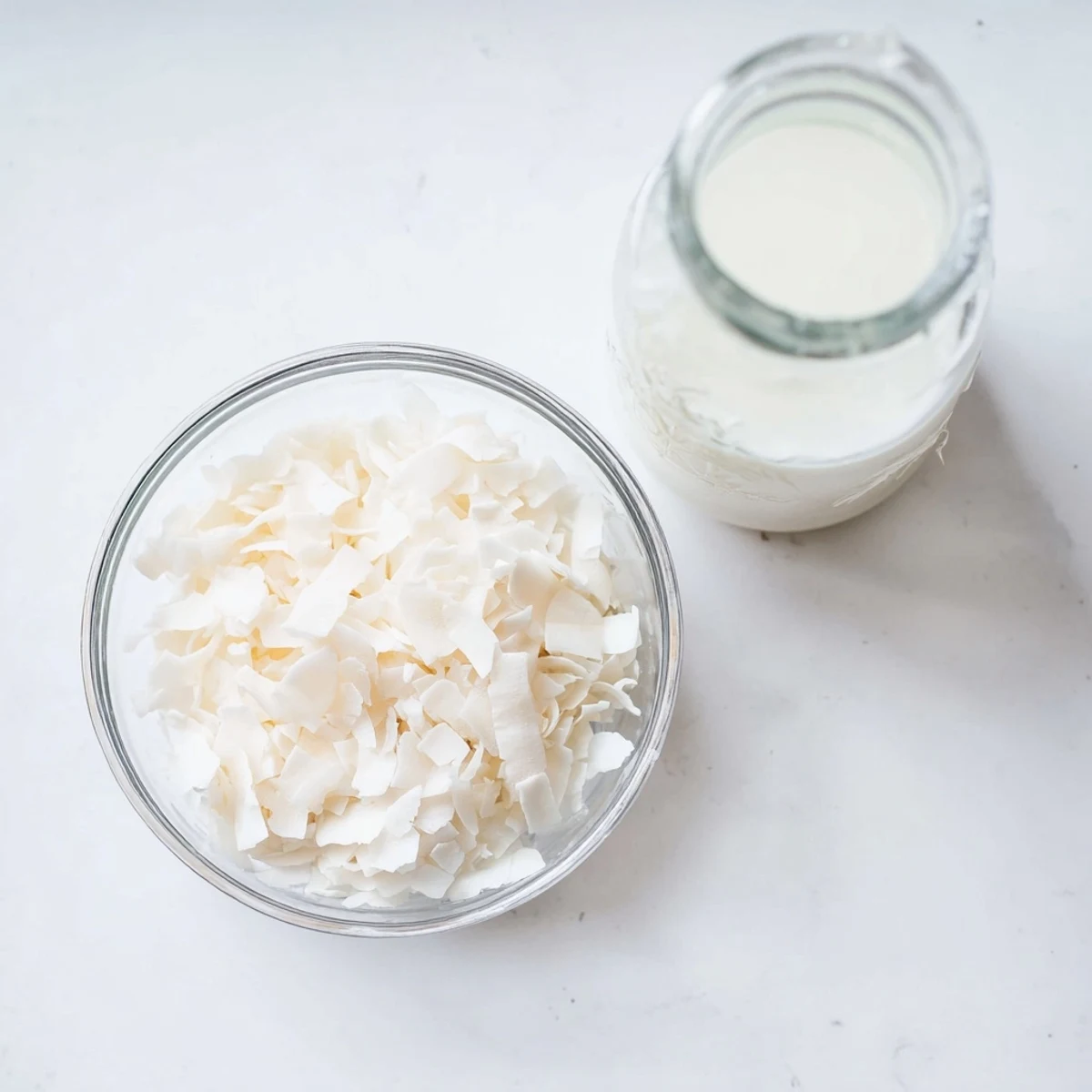
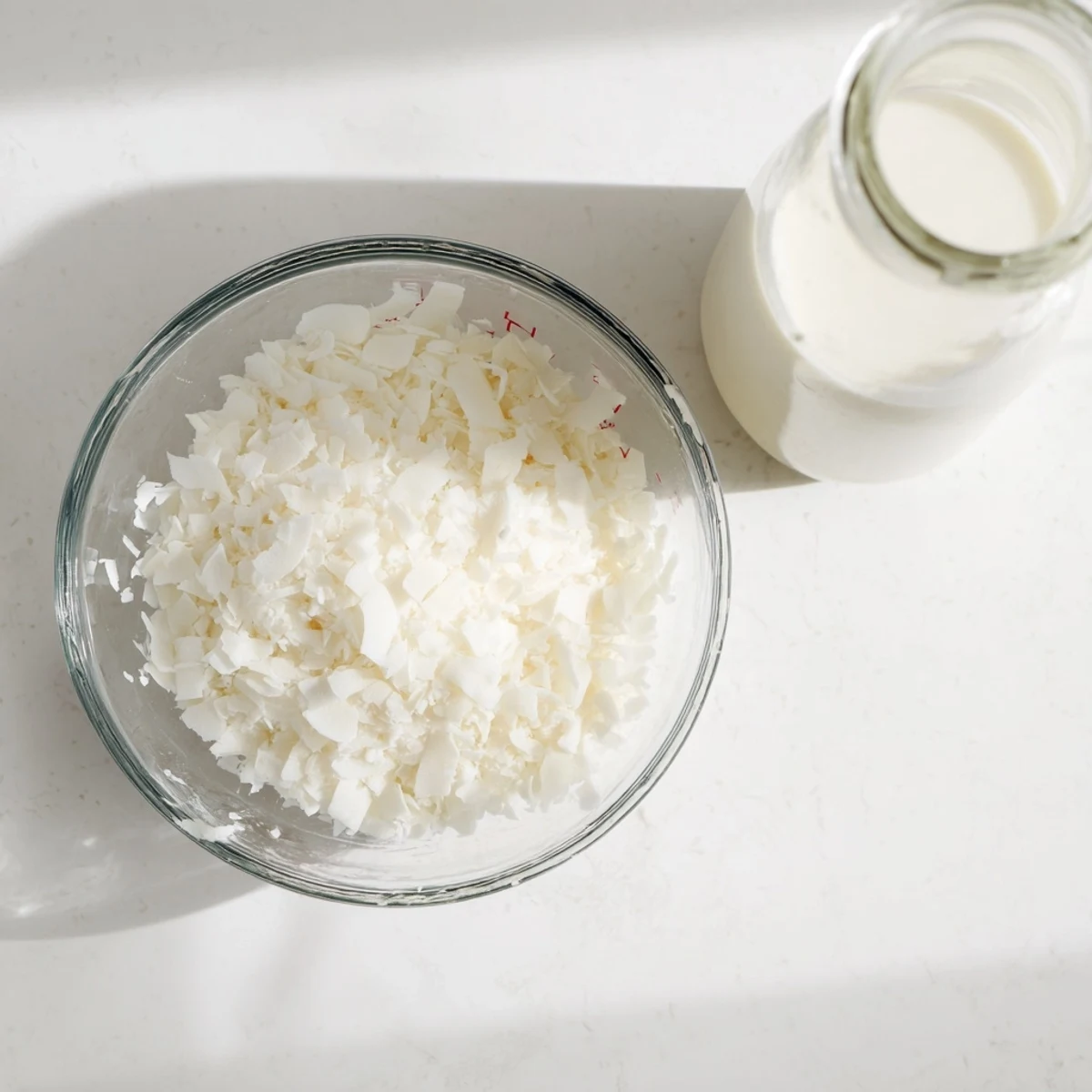
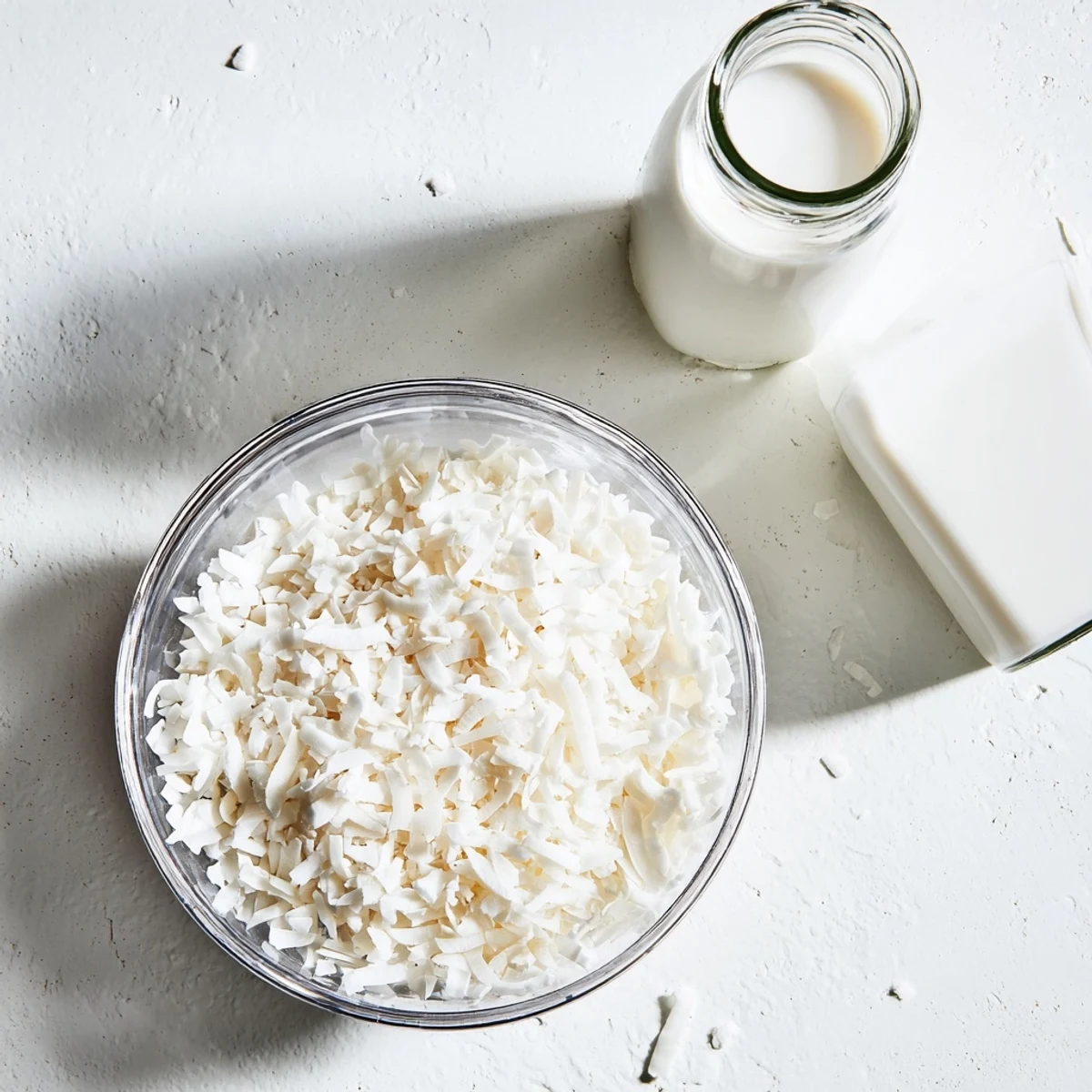
- 200 g unsweetened shredded coconut: Using fresh high quality coconut makes all the difference in flavor intensity so avoid anything that smells stale or overly sweet
- 1 litre hot water not boiling: Water that is too hot can extract bitter compounds while water that is too cool will not release enough coconut flavor
Instructions
- Blend the coconut:
- Place the shredded coconut in your blender and pour in the hot water carefully then blend on high speed for 2 to 3 minutes until the mixture looks thick and creamy
- Strain thoroughly:
- Pour the mixture through a nut milk bag or clean cheesecloth over a large bowl then squeeze firmly with your hands to extract every last drop of white milk
- Bottle and store:
- Use a funnel to transfer your fresh coconut milk into a clean glass bottle and refrigerate immediately where it will keep for up to 4 days
 Save to Pinterest
 This recipe became a staple during a month long experiment where I tried making all my own plant based milks. Coconut was the clear winner that stayed in permanent rotation while oat and almond versions came and went from my routine.
Making It Your Own
I have learned that adding a pinch of sea salt brings out the natural sweetness while a teaspoon of vanilla extract transforms this into a dessert worthy treat. Some mornings I blend in a date for subtle sweetness that feels indulgent without being sugary.
Perfect Pairings
This milk shines in aromatic Thai curries where its fresh flavor complements lemongrass and galangal beautifully. It also creates the most luxurious smoothie bowls and adds incredible depth to chocolate based desserts.
Batch Cooking Wisdom
After making this weekly for months I have discovered that doubling the recipe works perfectly and saves time without compromising quality. The milk actually freezes well in ice cube trays for portion controlled use in smoothies or curry making.
- Label your bottles with the date since fresh coconut milk spoils faster than commercial versions
- A quick rinse of your blender immediately after blending prevents coconut oil from hardening and sticking
- If the mixture seems too thick after straining add a splash more water to reach your preferred consistency
 Save to Pinterest
 There is something deeply satisfying about opening the refrigerator to see a bottle of homemade coconut milk you created with your own hands. It transforms everyday cooking into something intentional and special.
Your Questions Answered
- → Combien de temps se conserve le lait de coco maison ?
-
Le lait de coco se conserve au réfrigérateur jusqu'à 4 jours dans une bouteille hermétique. Secouez bien avant chaque utilisation car la matière grasse peut remonter à la surface.
- → Peut-on utiliser de l'eau bouillante pour la préparation ?
-
Utilisez de l'eau chaude mais non bouillante pour préserver les qualités nutritionnelles de la coco. L'eau trop chaude pourrait altérer le goût délicat et les bienfaits naturels.
- → Que faire de la pulpe restante après filtration ?
-
Séchez la pulpe au four basse température puis utilisez-la en pâtisserie dans vos biscuits ou cake maison. Elle apportera du croquant et une saveur tropicale à vos préparations.
- → Est-il possible de sucrer la préparation ?
-
Ajoutez une cuillère à soupe de sirop d'érable ou de miel après mixage si vous souhaitez une version douce. Le sucre s'intègre alors parfaitement à la texture onctueuse.
- → Quels ustensiles sont indispensables ?
-
Un blender puissant, une étamine ou torchon propre pour filtrer, un grand bol et une bouteille en verre avec entonnoir suffisent pour réussir cette préparation simple et rapide.
- → Quelle est la différence avec le lait de coco commercial ?
-
La version maison offre une saveur plus intense et naturelle sans additifs ni conservateurs. Vous contrôlez la texture et pouvez l'adapter selon vos usages culinaires préférés.