
 Save to Pinterest
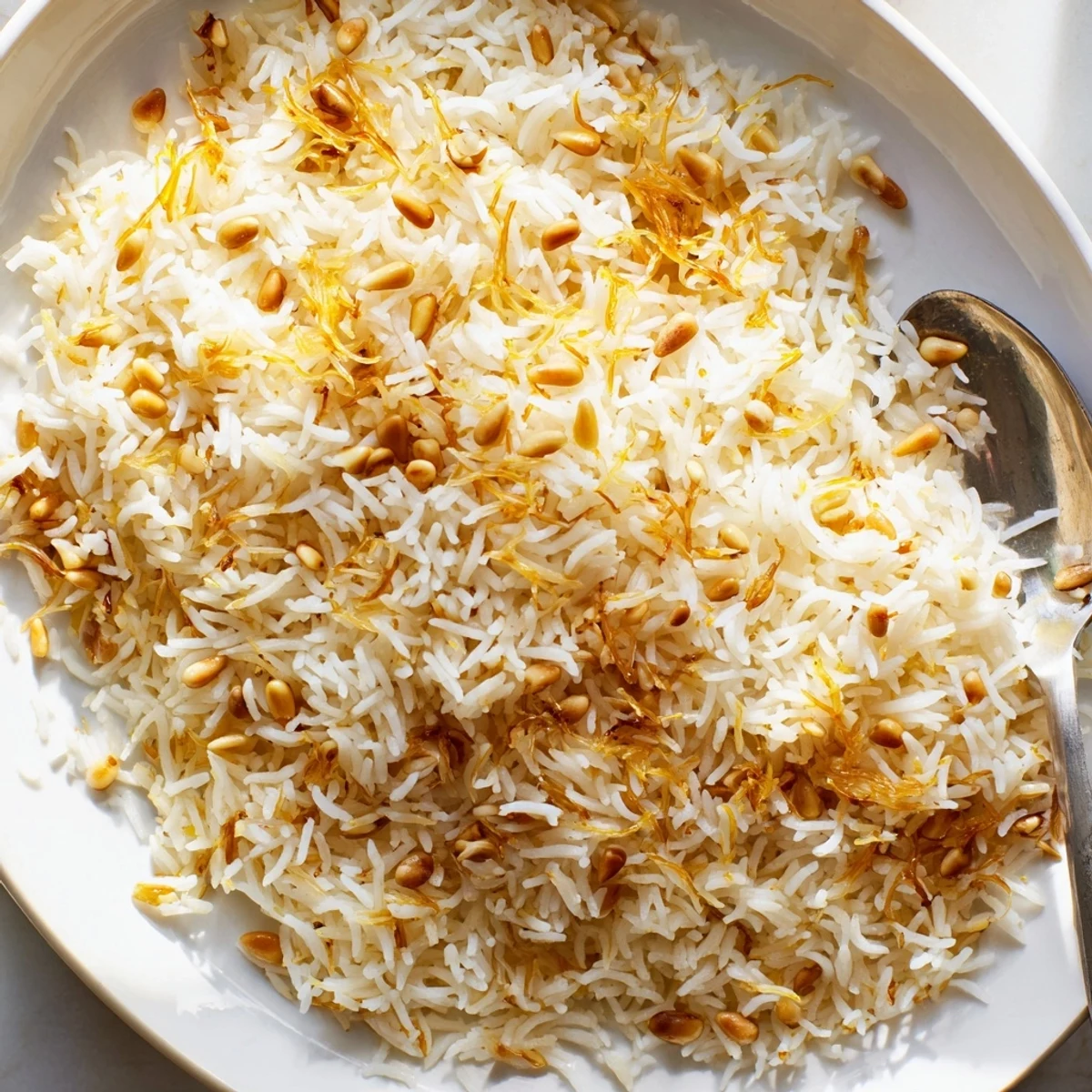
 Lebanese rice is a fragrant, fluffy side dish made by toasting vermicelli noodles in butter or olive oil until deep golden brown, then simmering with long-grain white rice until perfectly tender.
The key to achieving the signature light, separated grains lies in rinsing the rice thoroughly before cooking and allowing it to rest, covered, off the heat for 5 minutes before fluffing with a fork.
Toasted pine nuts add a delicate crunch and nutty flavor as a finishing garnish. This versatile accompaniment pairs beautifully with grilled meats, stews, and roasted vegetables across Middle Eastern cuisine.
The smell of butter hitting a hot pan and vermicelli turning that deep amber color is one of those small kitchen rituals that feels like home, no matter where you are. My neighbor Joumana once brought me a container of this rice alongside a plate of grilled lamb, and I stood in my doorway eating it cold because I could not wait. That golden, nutty aroma had already decided things for me.
I once made a double batch for a potluck and forgot the pine nuts entirely, and people still asked me for the recipe before the night was over. There is something about the way each grain separates and the noodles weave through like tiny golden threads that makes people pause mid conversation and look down at their plate.
Ingredients
- Long grain white rice (1 cup, about 200 g): Basmati is my go to because it stays fluffy and distinct, but jasmine works beautifully too. Rinse it until the water runs clear to remove surface starch that would otherwise make everything gummy.
- Vermicelli noodles (1/3 cup, about 40 g, broken into 1 inch pieces): These little noodles are the soul of this dish. Snap them by hand into rough pieces and do not worry about uniformity.
- Unsalted butter or olive oil (2 tablespoons): Butter gives a richness that feels traditional, but olive oil keeps it vegan and still wonderfully flavorful.
- Water or low sodium vegetable broth (2 cups, about 480 ml): Broth adds a subtle savory backbone, though water lets the toasted noodles shine on their own.
- Pine nuts (2 tablespoons, optional): Toasted and scattered on top at the end, they add a buttery crunch that elevates everything.
- Salt (1 teaspoon): This amount seasons the rice gently without overwhelming it.
- Black pepper (1/4 teaspoon): Just enough to add a quiet warmth in the background.
Instructions
- Wash the grains:
- Rinse the rice under cold running water, swirling it with your fingers, until the water turns from cloudy to mostly clear. Drain it well in a fine mesh strainer and set it aside.
- Toast the pine nuts:
- Heat butter or oil in a medium saucepan over medium heat, then add the pine nuts and stir them almost constantly for one to two minutes until they are golden. Transfer them immediately to a small plate because they will keep cooking and scorch if you leave them in the pan.
- Brown the vermicelli:
- Add the broken vermicelli to the same pan and stir without stopping for three to four minutes until the pieces turn a deep, rich brown. Stay right there and watch closely because the line between perfectly toasted and burnt is startlingly thin.
- Combine rice and noodles:
- Add the drained rice to the pan and stir gently to coat every grain with the fat. Let it toast alongside the noodles for about thirty seconds so the grains pick up a subtle warmth.
- Add liquid and season:
- Pour in the water or broth, add the salt and pepper, and bring everything to a gentle boil. Give it one final gentle stir, then stop touching it.
- Steam undisturbed:
- Reduce the heat to the lowest setting, cover the pot with a tight fitting lid, and set a timer for fifteen minutes. Resist every urge to peek because each time you lift the lid you let essential steam escape.
- Rest and fluff:
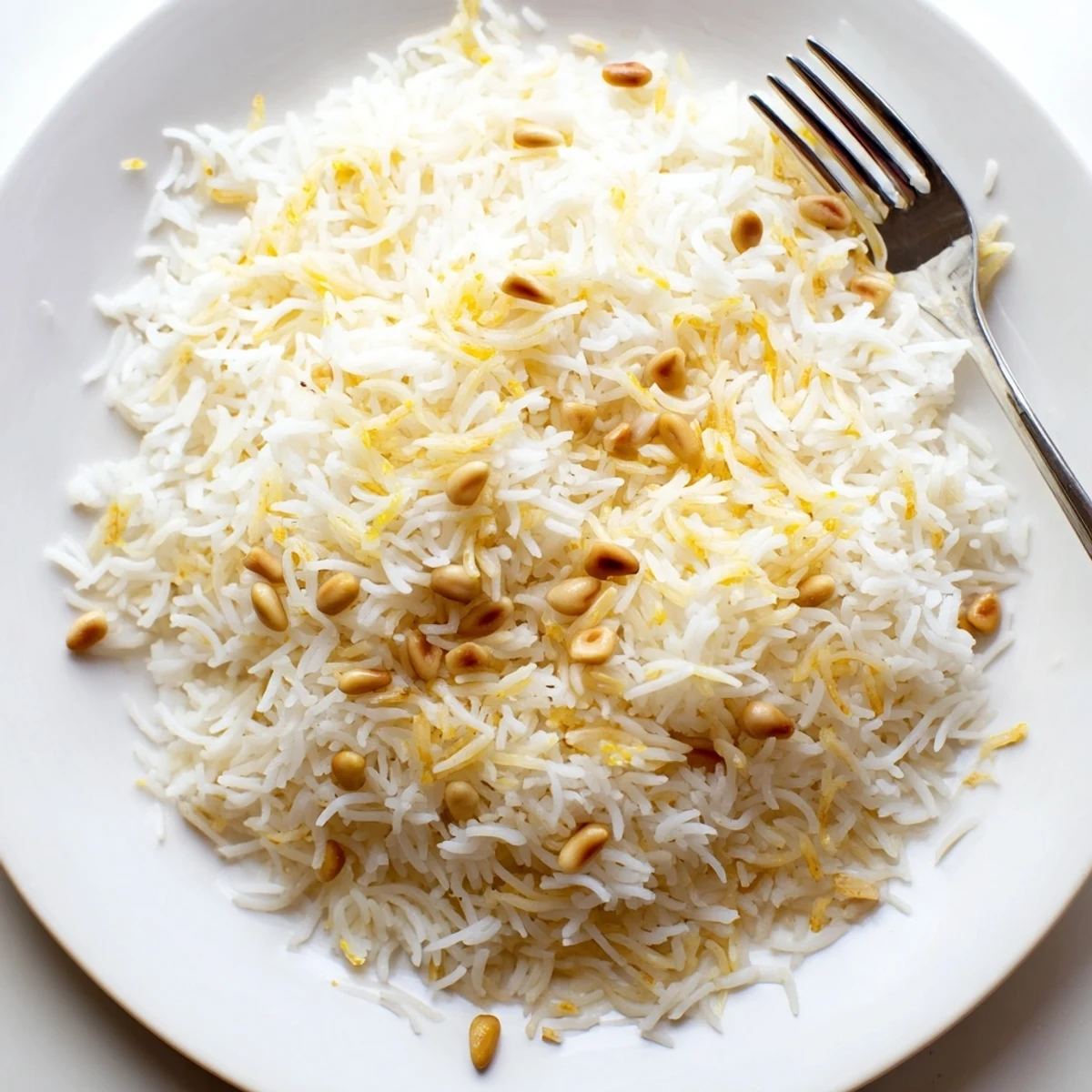
- Take the pot off the heat and let it sit with the lid still on for five full minutes. Then uncover, fluff gently with a fork, and scatter the reserved pine nuts over the top before serving.
 Save to Pinterest
 There was a rainy Tuesday when I made this rice to go with a simple tomato stew, and my roommate sat on the kitchen counter eating forkfuls straight from the pot before the stew was even ready. That is when I realized this dish does not need anything else to be the whole point of the meal.
Serving Ideas Worth Trying
This rice is a natural companion to anything saucy or grilled, but I especially love it alongside braised lamb, roasted eggplant, or a sharp yogurt cucumber salad. It also makes an unexpectedly satisfying lunch on its own with a dollop of labneh and a drizzle of good olive oil.
Storing and Reheating
Leftovers keep well in an airtight container in the refrigerator for up to four days. Reheat with a splash of water in a covered pan over low heat, or spread it in a skillet with a little oil for a crisp fried rice situation that might be better than the original.
Making It Your Own
Once you are comfortable with the basic method, this recipe is wonderfully flexible and forgiving. Small changes can shift the whole personality of the dish without much extra work.
- Swap butter for olive oil to keep it vegan and add a fruitier, grassier note.
- Try adding a smashed garlic clove or a cinnamon stick to the cooking liquid for a warm, aromatic twist.
- Always taste and adjust the salt at the end because broth varies widely in sodium and you want the seasoning just right.
 Save to Pinterest
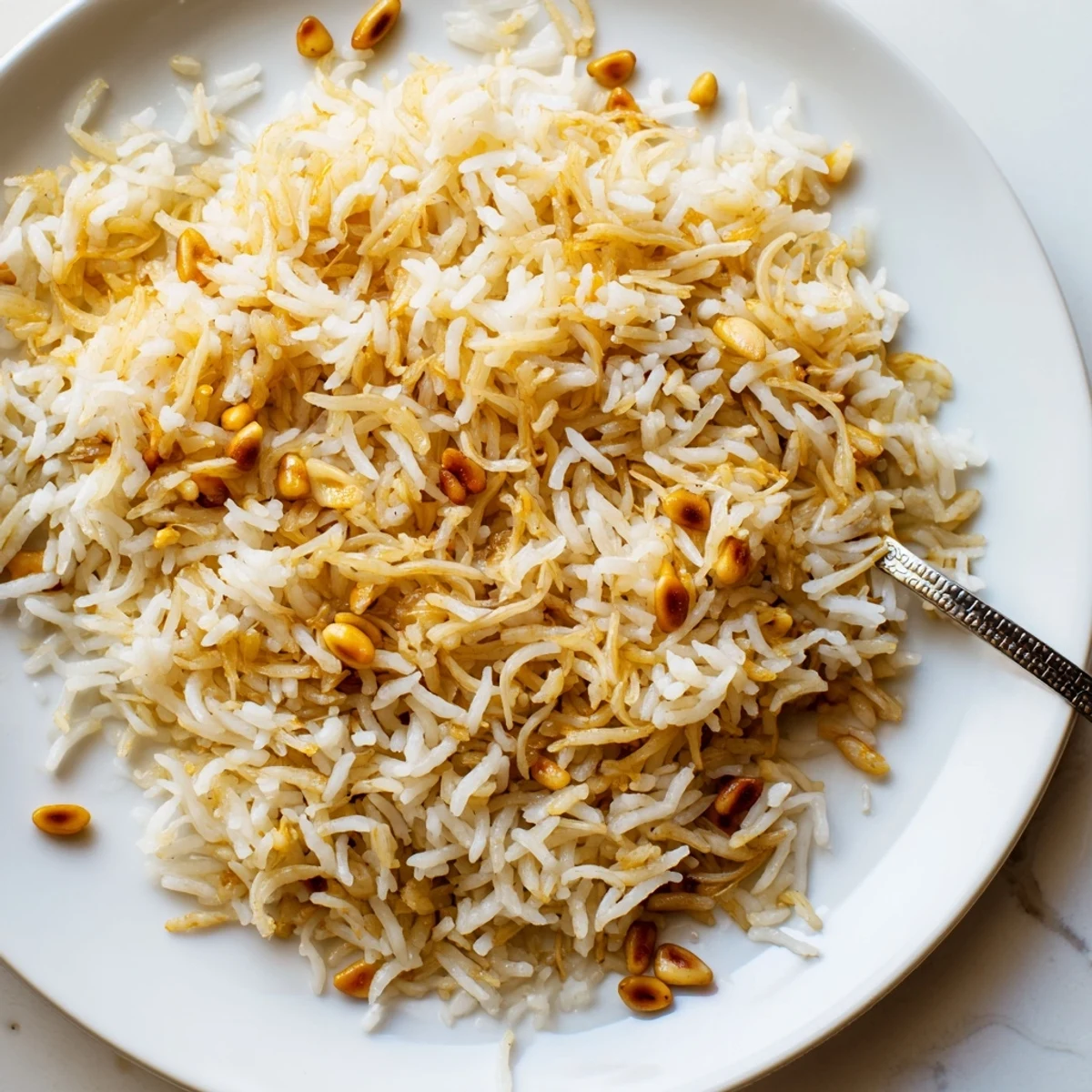
 A pot of Lebanese rice on the stove is really all you need to turn a simple meal into something worth sitting down for. Share it generously and watch how quickly the pan empties.
Your Questions Answered
- → What type of rice works best for Lebanese rice?
-
Long-grain white rice such as basmati or jasmine produces the fluffiest results. These varieties cook up light and separate, which is essential for achieving the characteristic texture of Lebanese rice.
- → Why do you toast the vermicelli before cooking?
-
Toasting vermicelli noodles in butter or oil until deep golden brown develops a rich, nutty flavor and adds a beautiful amber color to the finished dish. This step is fundamental to authentic Lebanese preparation and should not be skipped.
- → Can I make Lebanese rice without vermicelli?
-
While vermicelli is a defining ingredient in traditional Lebanese rice, you can omit it for a simpler buttered rice dish. However, you would lose the signature toasted flavor and textural contrast that makes this dish distinctive.
- → How do I prevent the rice from becoming gummy?
-
Rinse the rice under cold water until the water runs completely clear to remove excess surface starch. Additionally, resist the urge to stir while the rice simmers, and always let it rest covered for 5 minutes off the heat before fluffing.
- → Is Lebanese rice gluten-free?
-
Traditional Lebanese rice is not gluten-free because vermicelli noodles contain wheat. You can substitute gluten-free vermicelli or angel hair pasta to make a suitable version for those avoiding gluten.
- → Can I make this dish vegan?
-
Yes, simply use olive oil instead of butter. The olive oil version is equally authentic and commonly prepared throughout Lebanon, offering a slightly lighter but equally delicious result.