
 Save to Pinterest
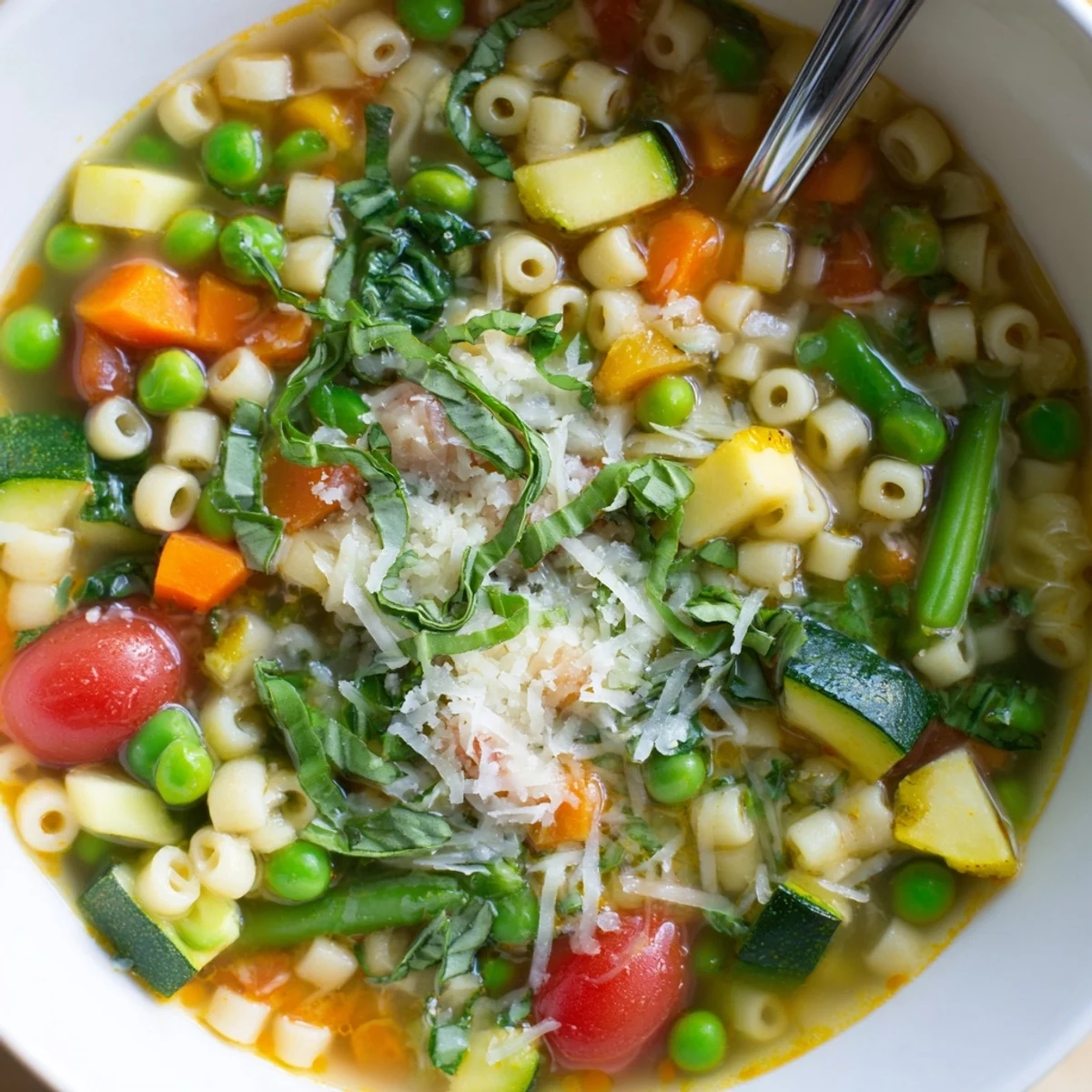
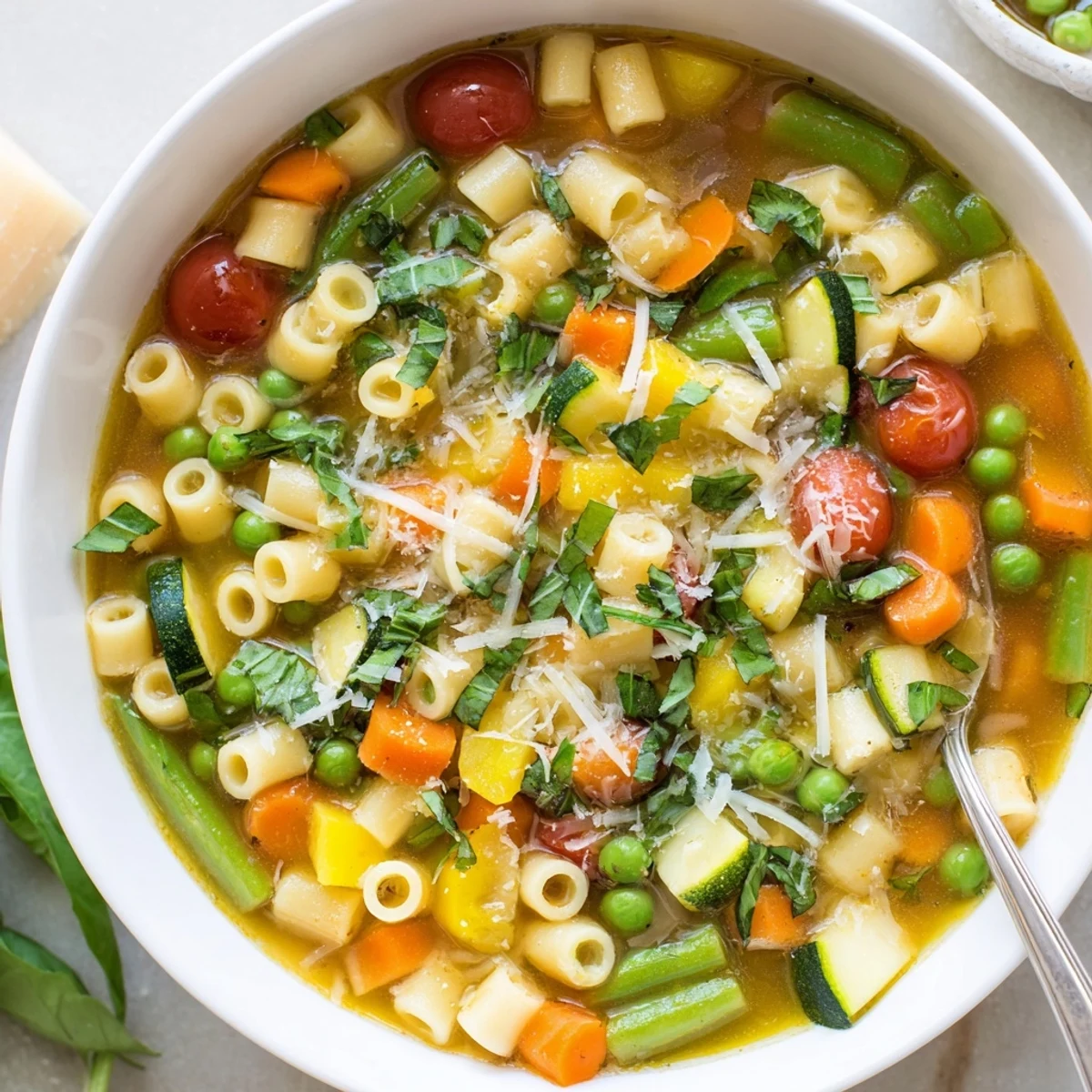
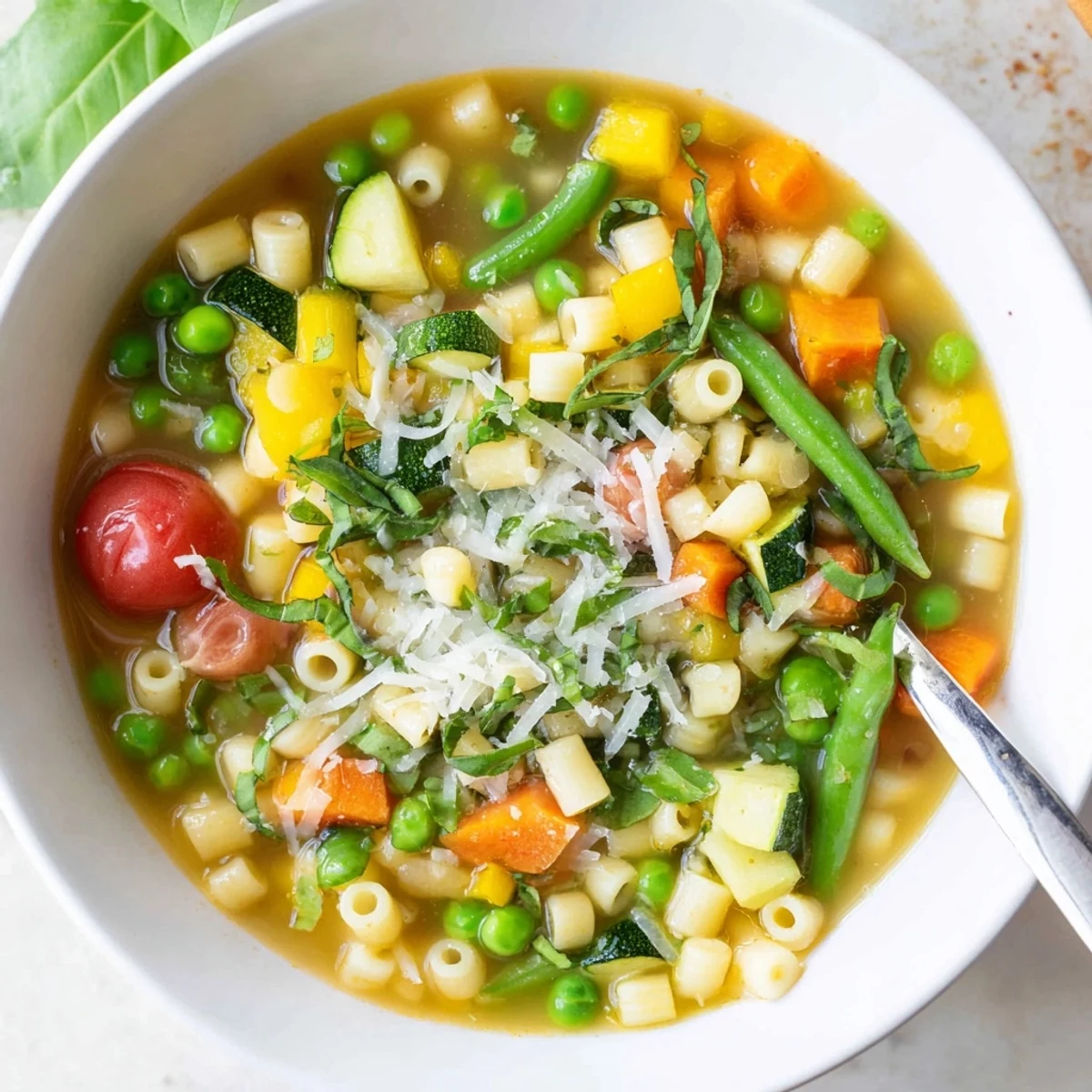
 This spring minestrone combines lightly sautéed onion and garlic with carrots, celery, zucchini, green beans and cherry tomatoes. Simmered in vegetable broth with small pasta and fresh peas, it finishes with baby spinach and chopped basil, parsley and dill. Serve topped with grated Parmesan and a drizzle of extra virgin olive oil.
Standing by the open kitchen window one breezy April afternoon, I couldn't resist the melody of birds and the promise of tender vegetables at the market. This Spring Minestrone Soup became my unofficial salute to the season, filling my kitchen not only with lovely aromas but also a happiness unique to spring days. Each handful of fresh produce brought an energy that made the simmering pot almost sing. Days like that remind me why some recipes just belong to a moment.
The first time I made this for friends on my tiny patio, we ended up eating the soup straight from mismatched mugs, not caring about proper bowls because the conversation was too engrossing. That relaxed evening laughter and the warm broth somehow set the tone for spring gatherings afterward. There’s a little piece of that gentle chaos in every pot I make now. Even cleaning up, I found myself humming.
Ingredients
- Olive oil: Use a fruity, good-quality olive oil to gently coax out the sweetness of your aromatics without overpowering the veggies.
- Yellow onion: Finely chopped for a silky base, and I’ve found sweating them slowly builds better flavor than rushing.
- Garlic: Always mince fresh; the scent alone makes the kitchen feel instantly more inviting.
- Carrots: Dice them evenly so each spoonful offers both color and subtle sweetness.
- Celery: Its fresh crunch softens into the broth, helping the soup taste bright rather than heavy.
- Zucchini: Add just after the harder veggies—they cook quickly and keep their shape if not rushed.
- Peas: I love using delicate fresh peas when I can, but frozen work beautifully and keep their cheery green hue.
- Green beans: Trim and chop into tidy bites—snapping them is oddly satisfying and makes prep more fun.
- Baby spinach: Wait until the end to stir it in, so it wilts gently and stays a lush green.
- Cherry tomatoes: Halved for juicy, gently tangy bursts in the broth—don’t skip them.
- Vegetable broth: Choose low-sodium to let your herbs and vegetables shine; a homemade stock adds something a little magical.
- Small pasta: Think ditalini or orzo, which hold their bite and don’t steal the limelight from the vegetables.
- Salt, black pepper, red pepper flakes: I’ve learned to season in layers and taste as I go for the brightest flavor.
- Basil, parsley, dill: The fresh trio brings spring right into your bowl, but adjust the mix if you want something softer or earthier.
- Parmesan cheese: It’s optional, but that nutty, melty finish is worth the extra step for non-vegans.
- Extra virgin olive oil: Just the lightest drizzle before serving gives a silky, aromatic pop to your soup.
Instructions
- Sweat the aromatics:
- Warm the olive oil over medium heat, letting it coat the pot, then add onion and garlic. Stir until everything softens and smells heavenly with just a hint of golden color.
- Sauté the sturdy veggies:
- Add the carrots and celery, tossing occasionally for a few minutes until they start to lose their edge but still have some bite.
- Layer in more colors:
- In go the zucchini, green beans, and cherry tomatoes—stir gently and let them mingle for a couple of minutes, just until the tomatoes shine.
- Add broth and bring to a happy simmer:
- Pour in the vegetable broth, scraping any flavor from the bottom of the pot before turning up the heat to bring it all to a gentle boil.
- Simmer with pasta and peas:
- Drop in your pasta and peas, stirring so nothing clumps, then simmer uncovered for about 8 to 10 minutes, watching the pasta go from chalky to perfectly toothsome.
- Finish with greens and herbs:
- Toss in the baby spinach and fresh herbs along with salt, black pepper, and optional red pepper flakes. Stir once or twice, just long enough for the greens to wilt but still look alive and perky.
- Serve and garnish:
- Ladle hot soup into bowls, shower with Parmesan and extra herbs, drizzle with your favorite olive oil, and enjoy every spoonful while the steam curls upward.
 Save to Pinterest
 On a rainy evening, curled up with a borrowed book, I made this soup for a friend who showed up hungry and tired from work. Neither of us expected to linger, but one bowl led to another, and the simple act of eating hot soup together turned the kitchen into the coziest place in the city. Ever since, I’ve associated this minestrone with genuine comfort and the kind of unexpected, easy connection that food can spark.
Finding the Best Spring Veggies
After a few seasons of swapping ingredients, I realized markets offer new surprises every spring—sometimes I work in asparagus tips or slivers of fennel, depending on what’s looking freshest. There’s nothing like bringing back a spontaneous basketful and letting the soup take shape from whatever catches your eye, as long as you aim for a fun mix of colors and textures. If peas aren’t quite in season, don’t stress—frozen are a lifesaver and hold up beautifully.
How to Time the Pasta Perfectly
Finding just the right moment for the pasta to go in took a few attempts—one overcooked batch taught me to keep a close eye. If you’re serving the soup later, boil pasta separately and add it just before serving so every bite stays pleasantly firm. For me, using ditalini is almost foolproof and feels cheery in these brothy bowls.
Easy Ways to Switch It Up
I love how this soup welcomes tweaks—a handful of beans, a swirl of pesto, or even leftover roasted veggies from the night before. There’s always a new version waiting, depending on the mood, the season, or who’s coming to the table.
- Try adding lemon zest at the end for a hit of fresh brightness.
- For a heartier meal, stir in cooked cannellini beans or chickpeas.
- Don’t be afraid to riff with herb combinations depending on what’s in your garden or fridge.
 Save to Pinterest
 On crisp spring evenings, this minestrone feels like a welcome-home hug. May it bring you as much joy as it has in my kitchen, especially when shared with good company.
Your Questions Answered
- → What pasta works best?
-
Small shapes like ditalini or orzo hold their texture and tuck into the vegetables nicely; use gluten-free small pasta to accommodate dietary needs.
- → How can I make it vegan?
-
Omit the Parmesan or swap for a plant-based grated cheese, and ensure the broth is vegetable-based for a fully vegan finish.
- → Can I add more protein?
-
Stir in canned cannellini beans or cooked lentils when the pasta is nearly done for extra protein and a heartier bowl.
- → How should I store and reheat leftovers?
-
Cool quickly and refrigerate in an airtight container for up to 4 days. Reheat gently on the stove, adding a splash of broth or water to loosen the texture.
- → Which vegetables can I swap in?
-
Seasonal options like asparagus, fava beans or baby leeks work well—add firmer vegetables earlier and tender ones near the end of simmering.
- → How do I prevent overcooked pasta?
-
Add the small pasta later in the simmer so it reaches al dente at serving time; reserve a little extra cooking liquid in case the pot absorbs too much.