
 Save to Pinterest
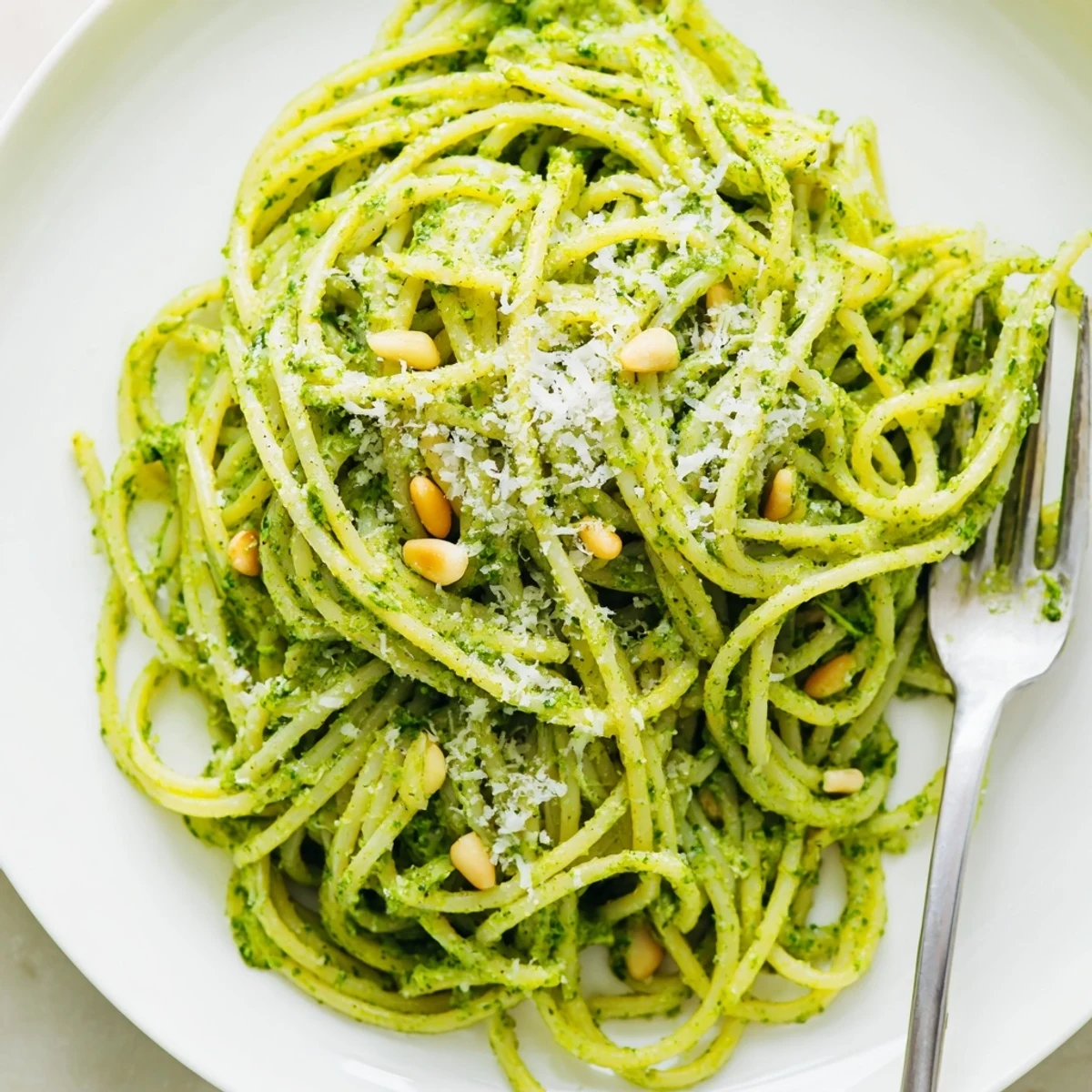
 This wild garlic pesto pasta brings the best of spring to your plate in just 25 minutes. A handful of fresh wild garlic leaves are blended with toasted pine nuts, Parmesan, and quality olive oil into a silky, vivid green sauce that clings to every strand.
The beauty lies in its simplicity — while the pasta cooks, the pesto comes together in a food processor. A splash of starchy pasta water transforms the thick paste into a luxurious coating. It's a dish that tastes like far more effort went into it.
Perfect for a quick weeknight dinner or an impromptu spring gathering. Pair it with a crisp Sauvignon Blanc and a simple side salad for a complete meal.
The smell hit me before I even saw the leaves: something between garlic and spring rain, wild and unmistakable. My neighbor had stuffed a damp paper bag of wild garlic through my letterbox with a scribbled note saying the park was covered in it. Within twenty minutes I had a bowl of the greenest pasta I have ever eaten, standing in my kitchen still wearing my coat.
I made this for my sister the following weekend and she sat in silence after the first bite, which is the highest compliment she knows how to give. We went back to that same park the next morning and foraged until our fingers smelled like a Provençal kitchen.
Ingredients
- Wild garlic leaves (75 g): The star of the show, rinse them well because grit hides in every fold and nothing ruins a silky pesto like sand between your teeth.
- Toasted pine nuts or walnuts (50 g): Toasting is non negotiable, raw nuts taste flat and sleepy compared to ones that have spent three minutes in a dry pan.
- Freshly grated Parmesan (50 g): Grate it yourself from a block, the pre grated stuff contains anti caking agents that make the pesto grainy instead of creamy.
- Garlic clove (1): Just one, because wild garlic already brings plenty of punch and you want balance not warfare.
- Extra virgin olive oil (100 ml): Use the good bottle here, its flavor runs through every bite.
- Lemon juice (from half a lemon): A squeeze of brightness that stops the pesto from tasting heavy or one dimensional.
- Salt and black pepper: Season gradually and taste as you go.
- Dried pasta (400 g): Spaghetti, linguine, or penne all work, but long strands catch the pesto best.
- Optional Parmesan and cracked pepper: For finishing, because more cheese is rarely a bad decision.
Instructions
- Get the pasta going:
- Bring a large pot of generously salted water to a rolling boil and cook the pasta according to the package until just al dente. Before draining, scoop out half a cup of that starchy water and set it aside, it is the secret weapon for a glossy sauce.
- Build the pesto:
- Toss the wild garlic leaves, toasted nuts, Parmesan, and garlic clove into a food processor. Pulse until everything is roughly chopped and starting to come together, scraping down the sides once or twice.
- Stream in the oil:
- With the motor running, pour the olive oil in a slow steady stream until you have a smooth, vivid green paste. Add the lemon juice, salt, and pepper, then taste and adjust until it sings.
- Marry the two:
- Dump the drained pasta back into its pot or a large bowl, add the pesto, and toss vigorously. Splash in reserved pasta water a little at a time until every strand is coated and the sauce flows rather than clumps.
- Plate and finish:
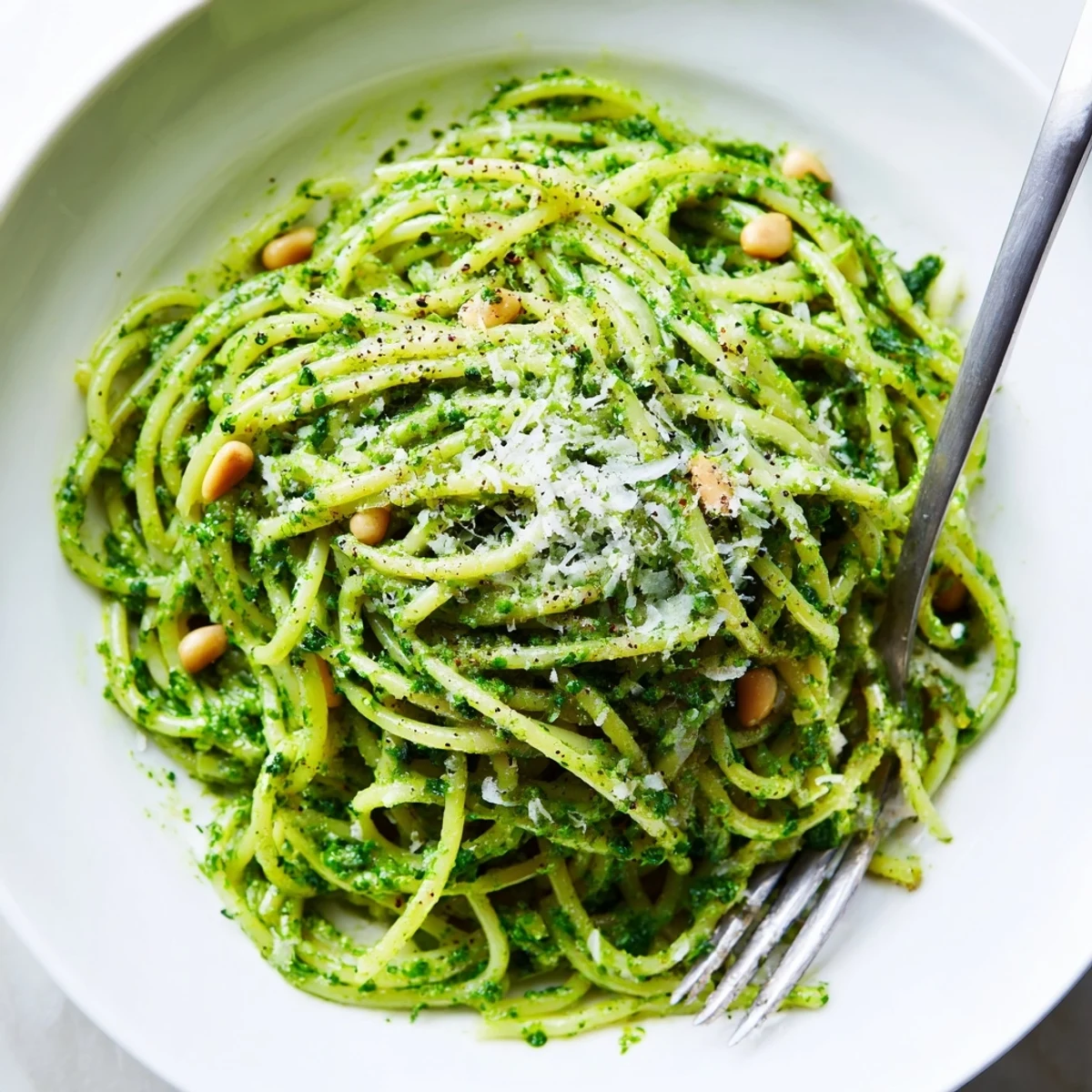
- Divide among bowls immediately and shower with extra Parmesan and a generous crack of black pepper. Serve before the vibrant green starts to dull, which happens faster than you think.
 Save to Pinterest
 That first spontaneous batch turned a random Tuesday into something I looked forward to all year. Now every April I check that park like someone waiting for a train.
Making It Your Own
The pesto is a template more than a rule. I have thrown in a handful of basil when the wild garlic was running low, and once I used roasted almonds instead of pine nuts because that was what the back of the cupboard offered. Each version was different and each version disappeared just as fast.
Keeping Leftovers Happy
If you have extra pesto, press it into a jar, pour a thin layer of olive oil on top, and refrigerate it for up to three days. The oil seals out air and keeps the color from turning a sad brown. Leftover pesto pasta also reheats surprisingly well with a splash of water and a quick toss in a warm pan.
What to Watch Out For
Wild garlic foraging is wonderful but demands a little caution, because the leaves resemble lily of the valley which is toxic. The giveaway is the smell: crush a leaf between your fingers and if it does not smell strongly of garlic, leave it alone.
- Always forage away from roadsides and dog walking routes.
- Wash leaves in several changes of cold water, not just one quick rinse.
- If buying from a market, ask when it was picked because it wilts fast.
 Save to Pinterest
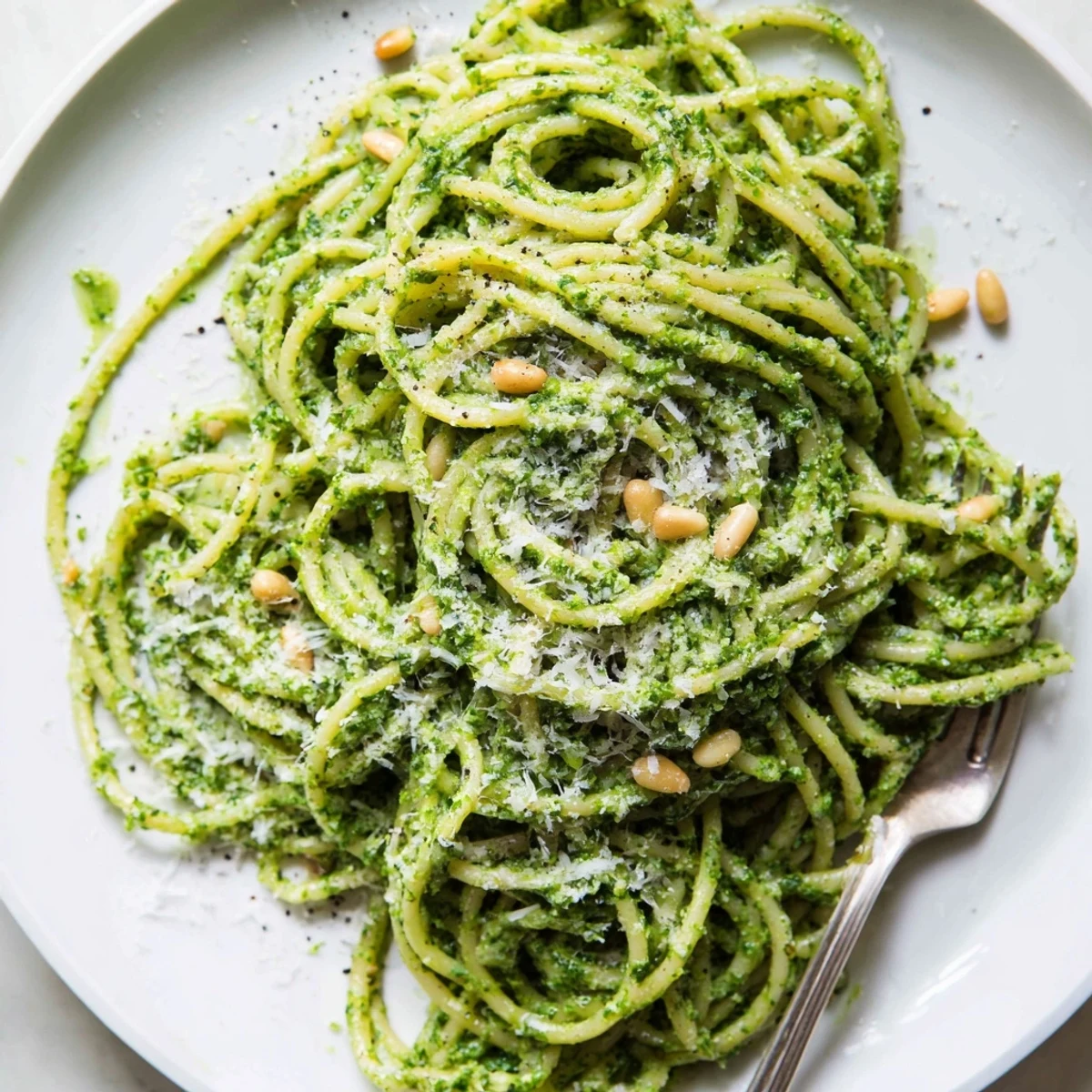
 Spring does not last forever, and neither does wild garlic season, so make this the moment you see those leaves. Your kitchen will smell absolutely incredible and you will have earned the kind of meal that money simply cannot buy.
Your Questions Answered
- → Where can I find wild garlic leaves?
-
Wild garlic (also called ramsons) grows abundantly in woodland areas during spring, typically from March to May. You can forage it yourself in shaded, damp areas near streams. If foraging isn't an option, check farmers' markets or specialty grocers during spring months. As a substitute, use a mix of fresh basil and spinach with one extra garlic clove.
- → Can I make the pesto ahead of time?
-
Yes, the pesto can be prepared up to 3 days in advance and stored in an airtight container in the refrigerator. To preserve its bright green color, press a sheet of plastic wrap directly onto the surface of the pesto before sealing. You can also freeze it in ice cube trays for up to 3 months.
- → What pasta shapes work best with this pesto?
-
Long strands like spaghetti or linguine are classic choices that let the silky pesto coat each strand evenly. Short shapes like penne or fusilli also work beautifully — their ridges and curves hold onto the pesto. For a lighter feel, try fresh tagliatelle or even gnocchi.
- → How do I keep the pesto from turning brown?
-
The lemon juice in this pesto helps preserve its vibrant green color through its acidity. Blanching the wild garlic leaves for 10 seconds in boiling water, then shocking them in an ice bath, is another effective technique. Store the pesto with a thin layer of olive oil on top to create a barrier against oxidation.
- → Is there a nut-free alternative to pine nuts?
-
Sunflower seeds make an excellent nut-free substitute and deliver a similarly rich, creamy texture when blended. Toasted pumpkin seeds also work well and add a lovely depth of flavor. For a completely different approach, try using a tablespoon of white miso paste — it provides umami richness without any nuts or seeds.